Thinking about relocating to Delaware, OH but not sure where to start? You are not alone. A smooth move takes local know-how, clear steps, and the right team behind you. In this guide, you will get a practical local plan you can follow, plus trusted resources to help you make confident decisions in Delaware, the county seat of Delaware County just north of Columbus. Let’s dive in.
Why Delaware fits your next move
Delaware is a regional hub for government, education, and everyday living. As the county seat, it hosts key public services and steady employment. Ohio Wesleyan University sits in the heart of the city, which contributes to a vibrant downtown, seasonal activity, and a healthy rental market near campus.
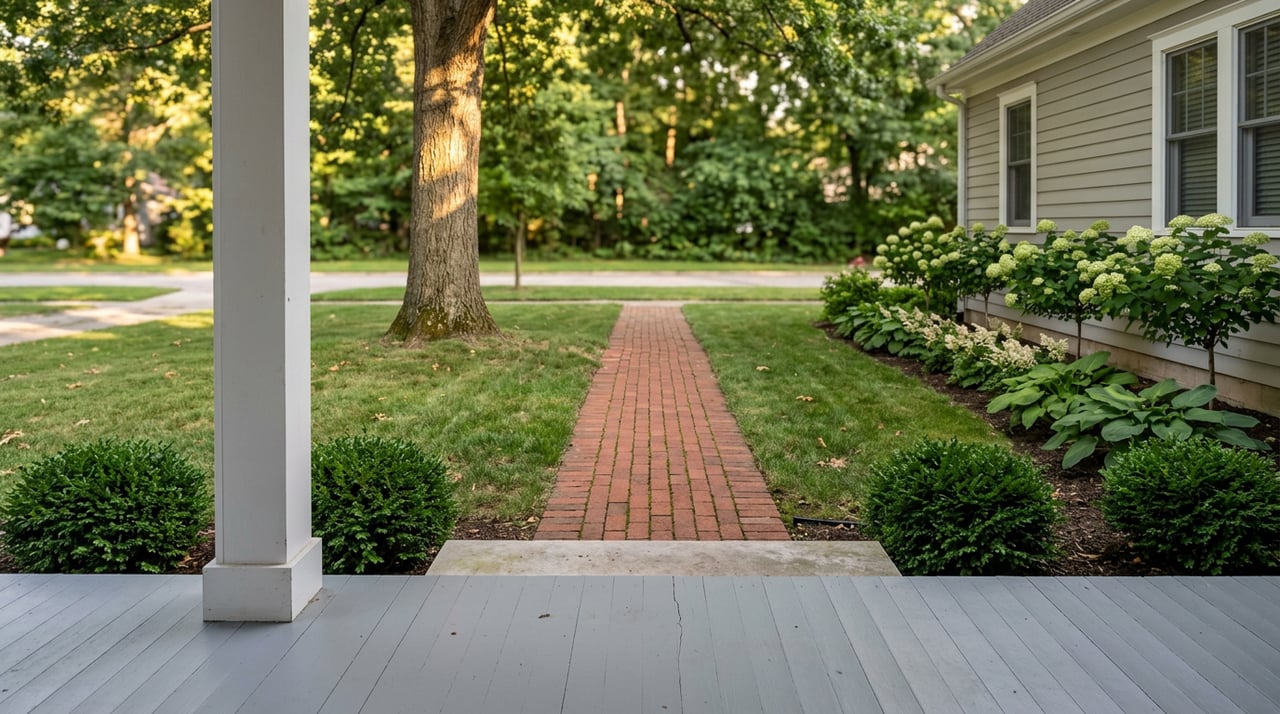
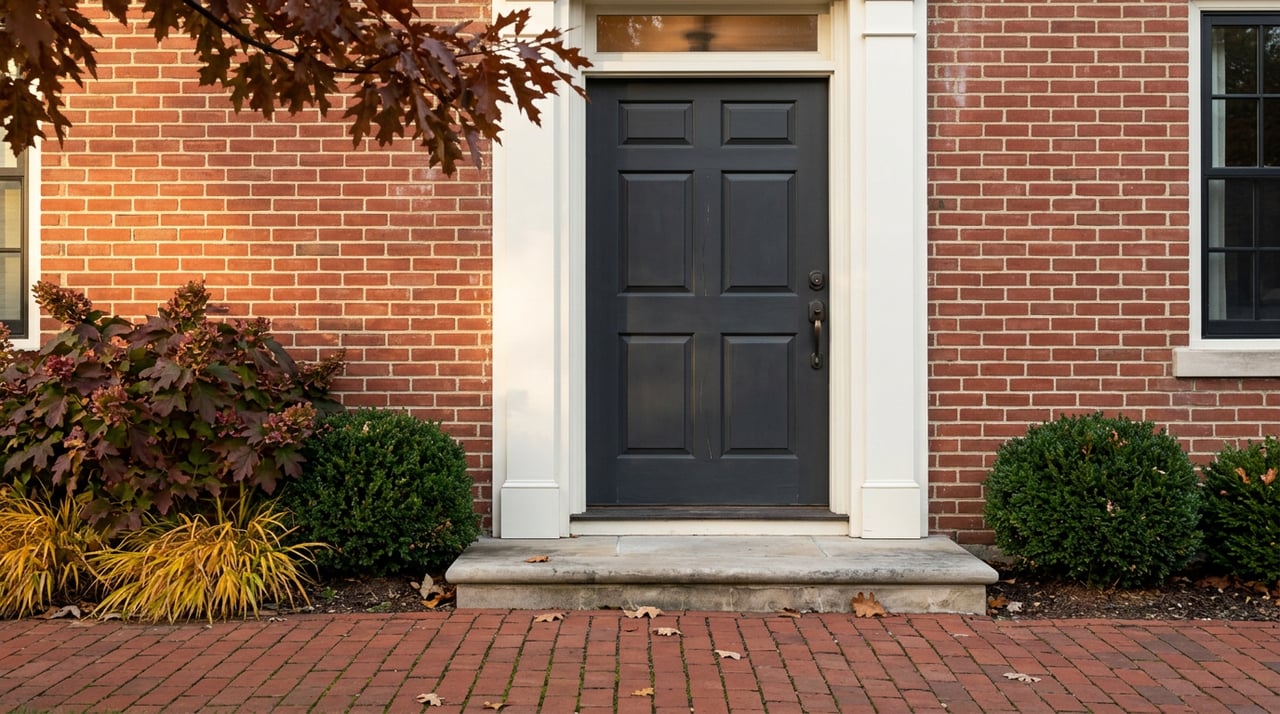
You will find a mix of historic homes, newer subdivisions, townhomes and condos, and some rural options in nearby townships. Many residents commute to the Columbus metro for work. With a solid plan, you can evaluate neighborhoods, commute options, schools, and local costs before you buy or rent.
Your step-by-step local plan
Follow this timeline to stay organized and reduce stress as you relocate.
Pre-move: 3+ months out
- Set your budget and timeline. Include down payment, closing costs, moving fees, pro-rated property taxes, HOA fees, and a contingency fund.
- Choose a local real estate advisor who understands Delaware and the Columbus suburbs. You want accurate pricing guidance and neighborhood insight.
- Research schools and confirm district boundaries for any target address. District lines can impact taxes and daily logistics.
- If selling first, map your sale strategy. Plan for staging, vendor coordination, and a temporary rental if timing is tight.
Mid-stage: 6–8 weeks out
- Compare licensed movers and book early. Ask about in-state vs. long-distance services and insurance coverage.
- Schedule inspections as soon as you are in contract. In Central Ohio, many buyers add general home, wood-destroying insect, and radon tests. The Ohio EPA provides environmental guidance for homeowners.
- Start utility planning. Confirm electric, gas, water/sewer, and internet providers for your address through the city or county utilities.
- Track market trends to refine your offer strategy. For current conditions, use monthly reports from Columbus REALTORS.
Final weeks: 2–1 weeks out
- File your USPS change of address and update banks, insurance, subscriptions, and medical providers.
- Gather school enrollment documents and immunization records. Contact the district for deadlines and placement.
- Review Ohio driver’s license and vehicle registration requirements for new residents using the Ohio BMV.
- Confirm pet vaccination records and local licensing with the city or county animal control.
Move day and first 30 days
- Register to vote and confirm your property tax billing schedule with the county.
- Update homeowner and auto insurance with your new address and coverage details.
- Check flood and hazard maps so you understand any insurance needs. The FEMA Flood Map Service Center shows official floodplain designations.
- Meet neighbors, get HOA contacts if applicable, and note trash, recycling, and bulk-item schedules.
Housing and neighborhoods to know
Delaware offers a wide range of housing styles. Your best fit will depend on your budget, commute, and lifestyle needs.
Downtown Delaware
- Historic streets, small shops, restaurants, and walkable blocks.
- Older homes with character and varied lot sizes. Renovation history and system updates can vary.
- Events and university activity bring steady energy to the area.
Suburban subdivisions
- Newer single-family homes and townhomes north and south of downtown and along SR-23.
- Community amenities may include paths, parks, or HOA-maintained common areas.
- Typical appeal for commuters who want quick access to major routes.
Outlying communities and rural options
- Larger lots and a quieter setting in nearby townships and villages.
- Zoning, septic/well systems, and outbuilding rules can differ from city standards.
- Always verify parcel details, floodplain status, and utilities through county resources before you write an offer.
For pricing trends, inventory, and days on market, consult monthly updates from Columbus REALTORS. For property history and tax records, use the county auditor and recorder offices. Market dynamics can shift quickly, so focus on the most recent 1–3 months.
Schools, childcare, and continuing education
Delaware City Schools serves the city, while other parts of the county are served by separate districts such as Olentangy Local Schools. District boundaries are very important and can affect your taxes, commute patterns, and daily routines. Confirm attendance zones using official district maps and county GIS before you commit to a property.
To review academic programs and state report cards, start with the Ohio Department of Education. If you need childcare or preschool, check county-level licensing resources and contact providers early. Availability and waitlists vary by location and season. For adult learners, community and continuing education opportunities are available through local institutions.
Commute, roads, and transit
Many Delaware residents commute to major employers across the Columbus region. Travel times vary by route, weather, and construction. Test your commute from target listings at your usual travel times and review current projects with the Ohio Department of Transportation.
Primary routes include state roads that connect to Columbus and surrounding suburbs. Fixed-route transit options are limited in and around Delaware, so most residents rely on personal vehicles, park-and-ride options, or carpools. When you need air travel, John Glenn Columbus International Airport serves the region; plan your airport drive times outside peak rush hours.
Taxes, utilities, and permits
Ohio property tax bills reflect county and local levies. Your effective tax rate can vary by district and ballot issues. Verify current millage and assessment details with the Delaware County Auditor, and confirm payment schedules before closing. For statewide homeowner programs or rollbacks, consult the Ohio Department of Taxation.
Many Ohio cities levy a municipal income tax. Confirm whether the City of Delaware has a municipal tax and the current rate with the city’s finance or tax department. For utilities, determine water/sewer, electric, natural gas, and broadband providers specific to your address. The city or county utilities pages will list how to start, stop, or transfer service.
Planning renovations or new construction? Check the city building department for permits, inspections, and contractor licensing requirements. Timelines and inspection sequences vary by project, so verify before scheduling work.
Costs and insurance
Your cost of living will depend on housing type, property taxes, utilities, and commute. Compare Delaware’s housing and utility costs to Columbus and statewide norms using recent American Community Survey data from the U.S. Census Bureau. For insurance, consider the home’s age, roof and mechanical systems, and proximity to waterways. If a property lies in a FEMA-designated floodplain, your lender may require flood insurance. Use the FEMA Flood Map Service Center to check.
Healthcare, safety, and amenities
You will find clinics and medical offices in and around Delaware, with hospitals located within a reasonable drive across the Columbus metro. For public safety, use local police department reports and county crime statistics to understand trends at the neighborhood level. The Olentangy River, parks, bike paths, and community centers offer year-round recreation. Seasonal festivals and university events add to the local calendar.
How Connie Sadowski helps you relocate
A move is easier when you have a local expert who handles details and explains each step. Connie’s hands-on approach combines buyer representation and negotiation with practical support like staging advice, make-ready coordination, organizing and packing resources, and new-build guidance when you want a turnkey home. You get clear communication, neighborhood insights, and a plan that fits your timeline.
Whether you are buying your first home, moving up, or relocating for work, Connie focuses on your outcomes and reduces friction from start to finish. If you are also selling, she can position your current home with staging and vendor management so you hit the market strong and close with confidence.
Ready to build your Delaware, OH plan and start touring homes? Connect with Connie Sadowski to map your next steps and move forward with clarity.
FAQs
How competitive is the Delaware, OH housing market right now?
- Conditions change month to month, so review the most recent 1–3 months of data from Columbus REALTORS and compare with recent solds from county records to shape your offer strategy.
Which school district will a Delaware address belong to?
- Confirm attendance zones using official district boundary maps and county GIS for the exact parcel, then contact the district for enrollment steps and refer to the Ohio Department of Education for state report cards and deadlines.
Do I need flood insurance in Delaware, OH?
- If a home lies in a FEMA-mapped floodplain, a lender may require it, so check your exact address using the FEMA Flood Map Service Center and discuss coverage with your insurer.
What should I know about property taxes and city income taxes?
- Verify your effective property tax rate and billing schedule with the Delaware County Auditor, confirm any municipal income tax and current rate with the city finance office, and review statewide homeowner programs at the Ohio Department of Taxation.
How long is the commute from Delaware to Columbus?
- Commute times vary by route and time of day, so test your drive with mapping apps at peak hours and review construction updates with the Ohio Department of Transportation.
What inspections should I plan for when buying in Central Ohio?
- Typical buyers arrange a general home inspection, wood-destroying insect inspection, and a radon test, and you can consult the Ohio EPA for homeowner environmental guidance on topics like air quality and water systems.