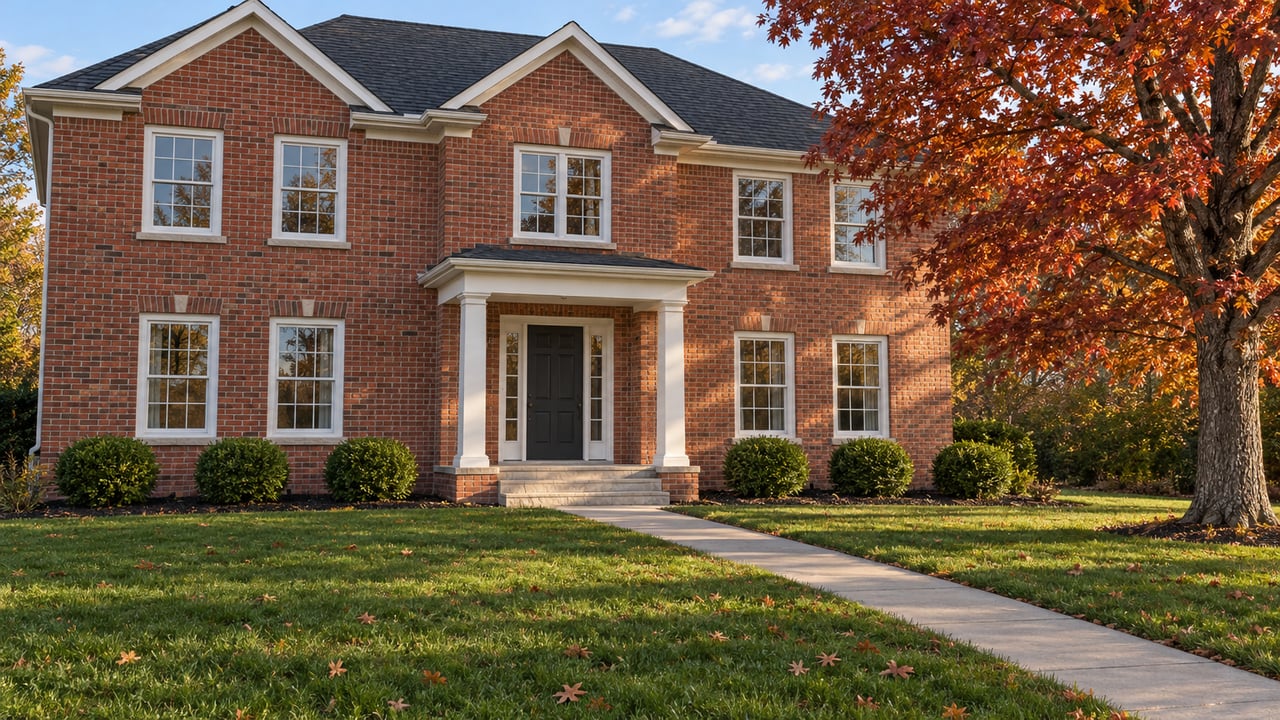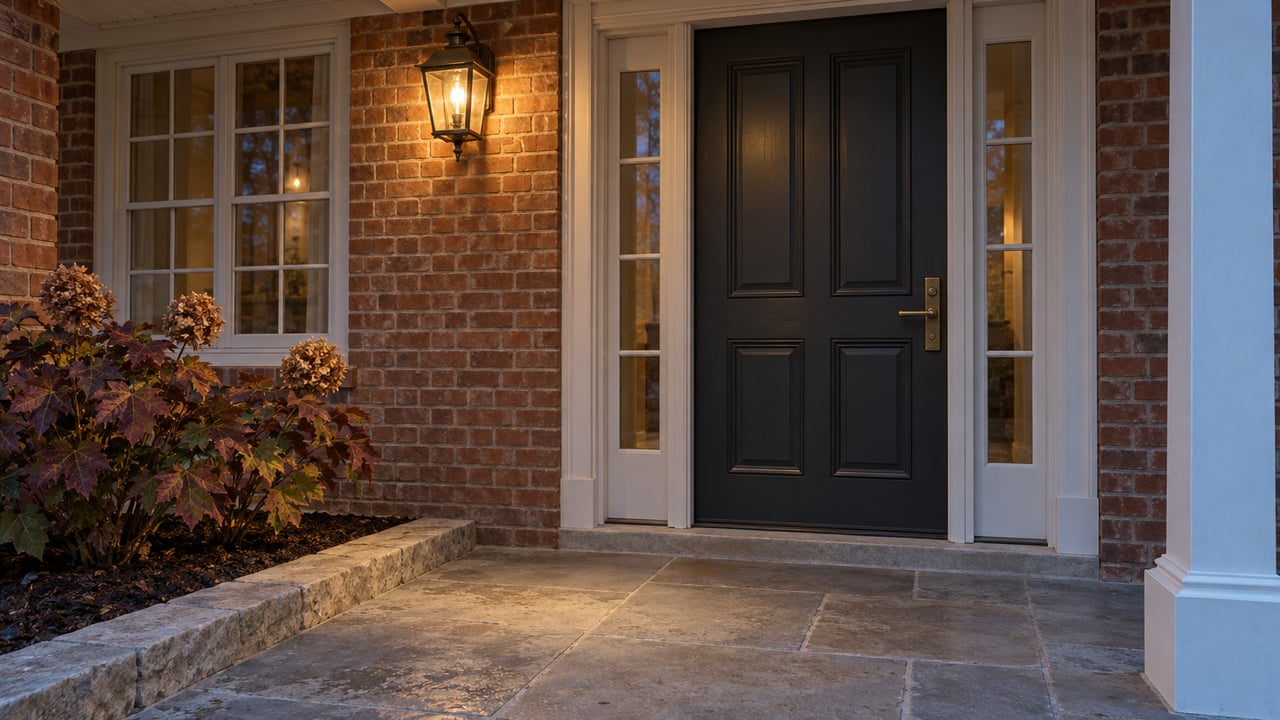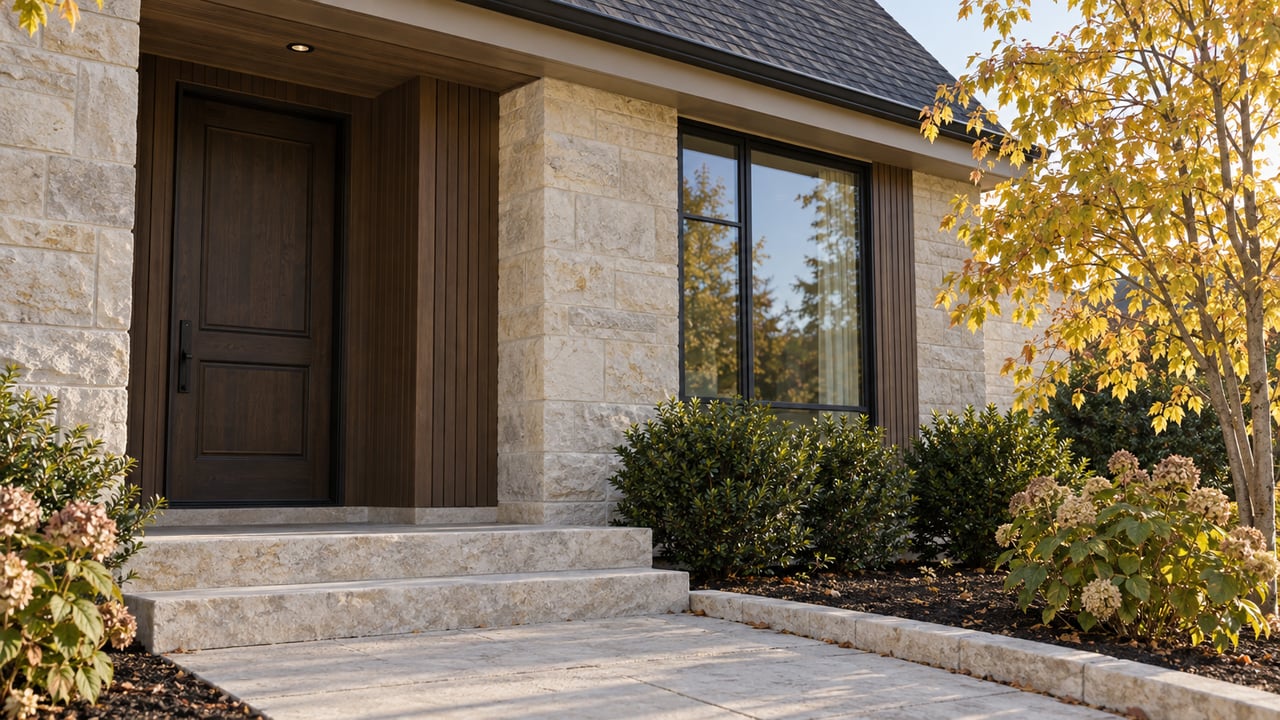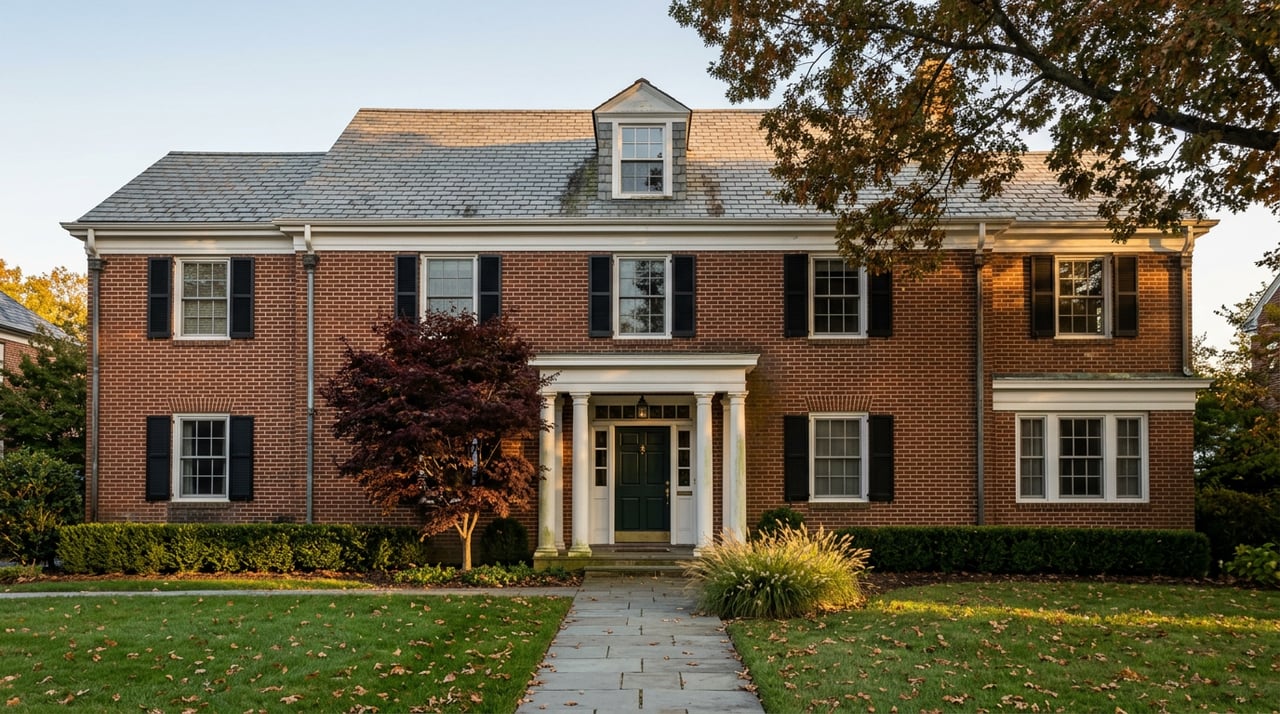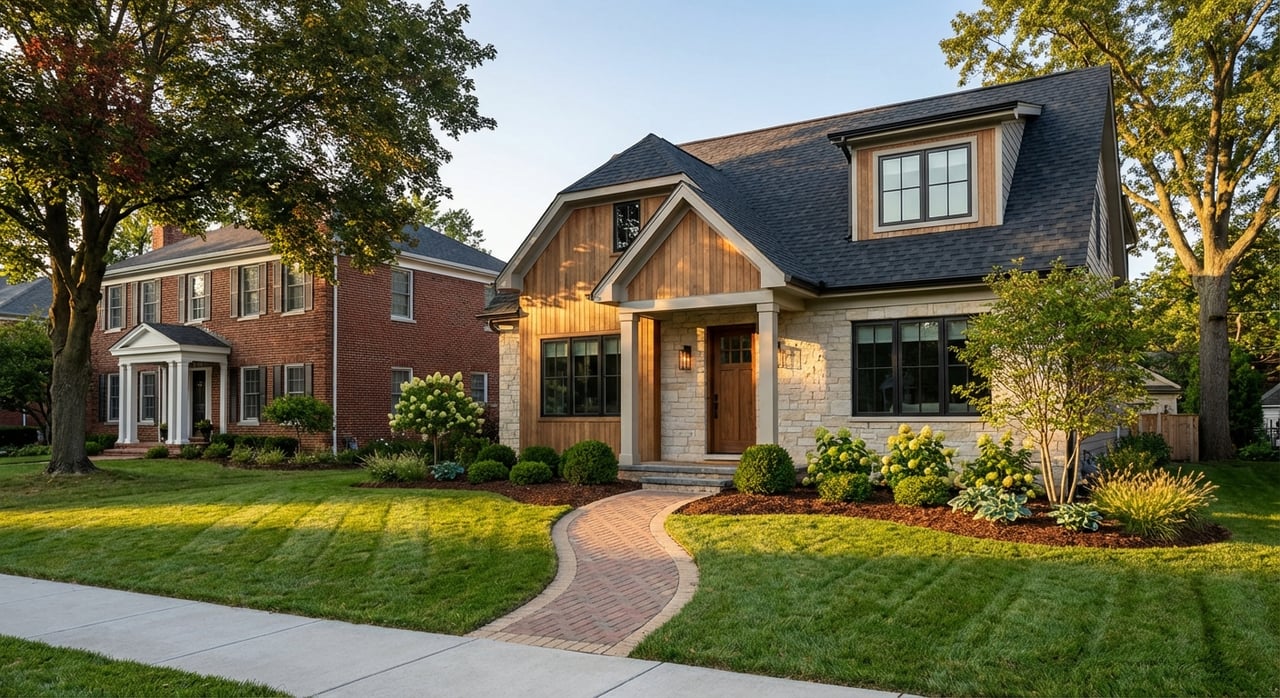
Thinking about buying in New Albany and torn between a new-build and a resale home? You are not alone. In a community known for thoughtful planning and strong schools, both paths can be great options. In this guide, you will get a clear, side-by-side comparison plus New Albany specific tips on design review, HOAs, lot selection, and a simple checklist to make your decision easier. Let’s dive in.
New Albany at a glance
New Albany is a master-planned community known for cohesive design, preserved green space, and connected neighborhoods. The area’s planning philosophy is rooted in The New Albany Company’s long-term vision for neighborhoods, amenities, and town center development. You can explore that background in the community’s master plan overview.
Design standards matter here. The City’s Architectural Review Board (ARB) reviews exterior plans for appropriateness and issues approvals. That public process influences timelines for new construction and exterior changes on existing homes.
Schools are also a major draw. The New Albany-Plain Local School District reports strong academic results, including recent five-star state report card outcomes per the district’s reporting. You can learn more from the district’s academic achievement page. Strong schools help sustain long-term buyer demand and support resale confidence.
New-build vs resale: the quick comparison
Timeline and move-in
- New-build: Production communities tend to move faster than custom builds. National data shows many single-family homes complete in months after permitting, with production homes often under eight months and custom builds taking longer. In New Albany, plan review, ARB meetings, and city permits can add time. See industry timing context in this NAHB/ProBuilder analysis. Always get the builder’s written schedule for your specific lot.
- Resale: You can often close within 30 to 60 days depending on financing and contingencies. If you want certainty and speed, a move-in ready resale or a quick-move spec home can be the most direct path.
Customization and finishes
- New-build: You can select plans, layouts, and finish packages, especially with semi-custom or custom builders. The more you personalize, the more cost and time you should expect. Option centers and design studios help you dial in choices.
- Resale: What you see is what you get. You can judge how materials and systems have performed over time and decide whether you want to renovate on your own timeline.
Warranties and protections
- New-build: Many builders use a layered structure sometimes called 1-2-10. That often means 1 year for workmanship, 2 years for systems, and up to 10 years for certain structural defects, typically through a third-party program. Ask for the full contract and claims process. Learn what typical coverage looks like from 2-10 Home Buyers Warranty.
- Resale: The home usually does not include a builder warranty. Your protection comes from inspections, disclosures, and negotiations. You can ask for repairs, credits, or price changes if inspections reveal issues.
Maintenance and energy
- New-build: New roofs, mechanicals, and appliances reduce near-term maintenance risk and typically meet current energy codes. You may spend less on upkeep in the early years.
- Resale: Systems could be closer to replacement age. Plan for maintenance in your budget and evaluate recent updates. Over time, costs tend to even out between both paths.
Inspections and quality checks
- New-build: Always hire an independent inspector. Pre-drywall and pre-closing inspections help you catch issues early and document punch-list items.
- Resale: A full inspection is standard, and targeted tests like sewer scope, radon, pest, or roof evaluations are wise. See a helpful scope outline in this home inspection guide.
Price structure and negotiation
- New-build: Pricing usually includes a base price plus lot premiums and options. Premium lots near green space, favored orientation, or corner locations can add cost. Builders sometimes offer incentives through preferred lenders. Lot premiums are a known margin driver across the industry, so get a written itemization.
- Resale: Negotiations often hinge on inspection results and market conditions. In a balanced market, you may see room for modest concessions.
What’s unique about building in New Albany
Design review and permits
New Albany’s ARB process and integrated city permitting influence timeline and choices. Exterior design changes and certain site elements need approvals. Before you commit, review the City’s ARB page and the Permitting & Inspections page. Plan review can be staged and may take additional weeks, especially for complex homes or exterior changes.
HOA and neighborhood guidelines
Many neighborhoods include HOA rules, design palettes, and separate ARC or ARB layers. The New Albany Links community, for example, publishes design guidelines that show how specific these standards can be. Ask for the full Covenants, Conditions, and Restrictions (CCRs), fee schedule, and any rules about fences, paint, or outdoor structures before you finalize a purchase.
Lot selection pointers
Premium or unique lots can be worth the extra cost if they match your goals. Balance orientation, privacy, and proximity to amenities with budget. Before you sign, request and review:
- Recorded easements, surveys, and grading plans.
- Drainage patterns and proximity to stormwater features.
- Tree preservation or removal rules.
- Potential nearby or future development.
- Any ARB requirements that affect site plans or exterior elements.
Buyer profiles: which path fits you
- You want to move soon and reduce hassle. Focus on resale homes or quick-move spec options. Verify inspection results and the age of key systems.
- You want customization and can wait. Consider semi-custom or custom builds. Lock down timelines, change-order rules, and upgrade allowances in writing.
- You want lower early maintenance and likely energy savings. New construction can reduce near-term surprises and meet current codes. Confirm warranty coverage and ask for actual utility data when available.
- You value mature landscaping and a proven neighborhood feel. Resale in established pockets may align with your preferences. Review HOA rules to understand your flexibility for exterior changes.
Your decision checklist
If you build new, ask your builder
- What is the exact schedule from contract to completion, including ARB and permit milestones? Ask for dates in writing and lot-specific steps. See the City’s Permitting & Inspections process to understand how reviews work.
- What warranties are included? Is a structural warranty insurance-backed and transferable? Request the full policy and claim procedures. For reference, see typical coverage explained by 2-10 Home Buyers Warranty.
- What is included in the base price versus upgrades and lot premium? Ask for a line-item list of finishes, allowances, and option pricing.
- Which lender incentives are offered and what terms apply? Compare with an independent lender. Construction loans can be complex, so review this CFPB overview on construction loan disclosures.
- Who handles service requests after closing and how quickly do they respond? Clarify escalation steps for unresolved items.
If you buy resale, verify
- Full seller disclosures, repair invoices, and any pre-listing inspection. Order your own independent inspection and targeted tests as needed. Use this inspection guide to shape your scope.
- HOA documents, design rules, fee schedules, and any pending special assessments. For a sense of how detailed design rules can be, review the New Albany Links guidelines.
- Permit history and occupancy records, if available, plus recent survey and recorded easements. The City’s Permitting & Inspections page is a good starting point for process and contacts.
For both paths, confirm before closing
- Deed, easements, recent survey, and any recorded restrictions.
- HOA CCRs and design guidelines in full, plus contact information for compliance questions.
- Warranty documents or receipts for coverage you expect to rely on.
- Property taxes and parcel details through the Franklin County Auditor so you can budget holding costs with confidence.
Timeline and negotiation tips for New Albany buyers
- Factor in design review. Plan for ARB and city plan review steps that can add 2 to 8 or more weeks depending on complexity. Ask early whether your exterior or site plan will require added approvals. Use the City’s Permitting & Inspections resources to plan.
- Document warranty terms at contract. Get builder warranty paperwork up front and outline a punch-list process with clear deadlines.
- Leverage inspections on resale. Use documented findings to request repairs, credits, or price adjustments. Inspection contingencies are common negotiation tools.
- Compare financing structures for new builds. Ask about construction-to-permanent (one-time close) versus two-loan approaches. For context on why these products can be more complex, review this CFPB explainer.
Choosing between a new-build and a resale home in New Albany comes down to your timeline, appetite for customization, budget structure, and comfort with the ARB and HOA framework that helps keep neighborhoods cohesive. If you want help sorting through options or want a second set of eyes on a lot map, HOA rules, or an inspection report, reach out to Connie Sadowski. You will get practical, hands-on support from a local advisor who understands both new construction and resale in Central Ohio.
FAQs
What is the ARB in New Albany and why does it matter?
- The City’s Architectural Review Board reviews exterior design changes and new-build plans, which can affect your timeline and what you can build.
How long does a new-build usually take in New Albany?
- Timelines vary, but national data shows many homes complete in months after permits; add extra time locally for plan review and ARB steps per the ProBuilder analysis.
Do I still need an inspection on a brand-new home?
- Yes; independent pre-drywall and final inspections help document issues early and protect you at closing, similar to the scope in this inspection guide.
What warranties come with a new-build in this area?
- Many builders provide layered coverage like 1-2-10; request the full contract and claims process to confirm details, as outlined by 2-10 Home Buyers Warranty.
How do HOAs affect my choices in New Albany?
- HOAs often set design rules, fees, and approval steps; review full CCRs and examples like the New Albany Links design guidelines before you commit.
Where can I check property taxes for a specific home?
- Use the Franklin County Auditor to review tax rates and parcel details so you can budget accurately.