Thinking about selling your home in Blacklick but not sure where to start? You are not alone. Between prep, pricing, and paperwork, it can feel overwhelming when you are short on time. This guide gives you a clear, step-by-step plan tailored to Blacklick and the east Columbus area so you can move forward with confidence. Let’s dive in.
Blacklick market basics
Blacklick sits in Jefferson Township in Franklin County within the east Columbus suburban area. Some addresses labeled “Blacklick” may fall under different municipal rules. Before you list, confirm your property’s specific jurisdiction and service details so there are no surprises later.
Local services can vary by street. Verify whether you have sewer or septic, municipal water or a well, and any HOA or township service districts. Clear answers help buyers and lenders, and they guide your disclosure forms.
Buyer demand here often comes from commuters to downtown Columbus, households who like suburban lot sizes, and investors drawn to strong rental demand. In Central Ohio, spring and early summer typically see more buyer activity. If timing is flexible, consider listing then. If not, a sharp pricing and marketing plan can offset seasonal slowdowns.
Plan your timeline
A simple timeline keeps your sale on track and your stress low. Adjust the steps to fit your schedule.
6–12 weeks before listing
- Gather key documents: deed, survey, permits history, warranties, manuals, HOA info, and recent utility bills.
- If you want a head start on issues, order a pre-listing inspection to target repairs efficiently.
- Confirm your property’s jurisdiction and service details. Start contractor outreach if you expect work.
3–6 weeks before listing
- Complete major repairs and close permits. Focus on safety, function, and curb appeal first.
- Deep clean and declutter. Begin staging and plan photography.
- Line up your pricing strategy and marketing plan.
1–2 weeks before listing
- Tackle final touch-ups: paint, landscaping, small fixes.
- Schedule professional photos, video, and a 3D tour or floor plan.
- Set showing instructions and house rules.
Fix first things first
Prioritize what protects your deal and boosts buyer confidence. This order helps you spend wisely.
Safety and compliance. Address structural issues, electrical hazards, active roof leaks, failed HVAC, and plumbing leaks. Buyers and lenders expect these resolved.
Functional systems. Confirm reliable heating and cooling, a working water heater, no active leaks, and operable windows and doors.
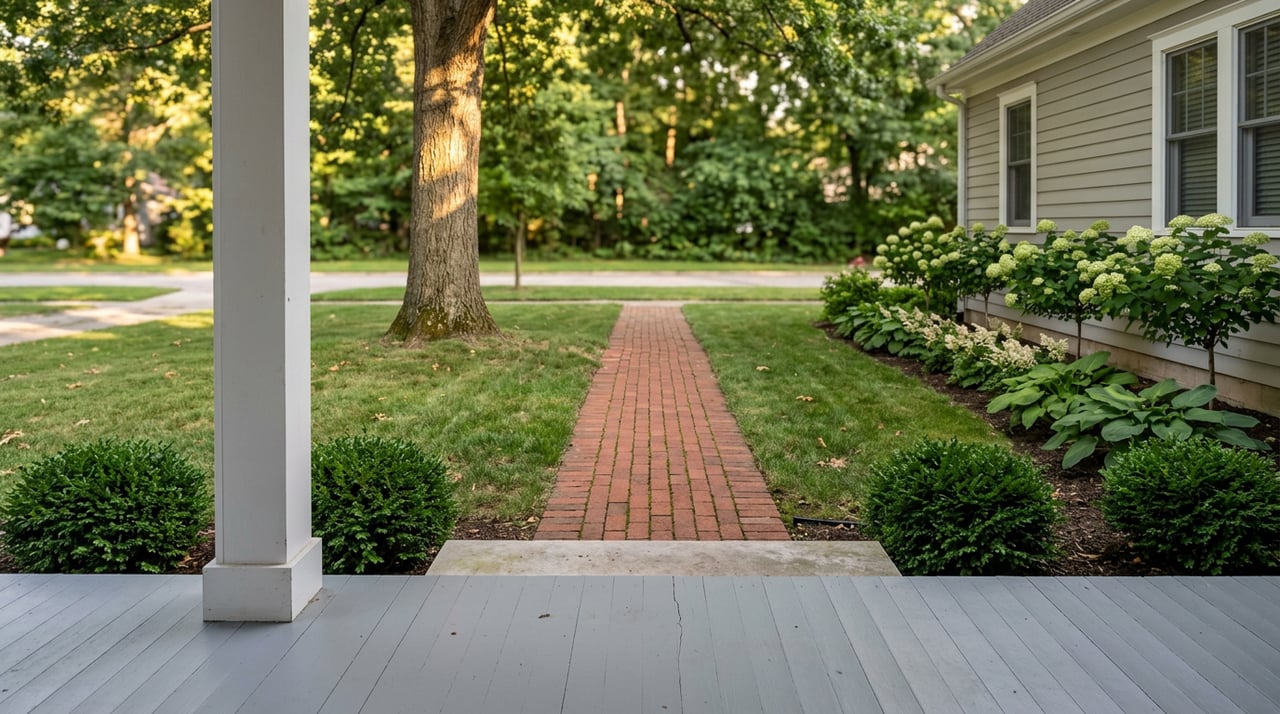
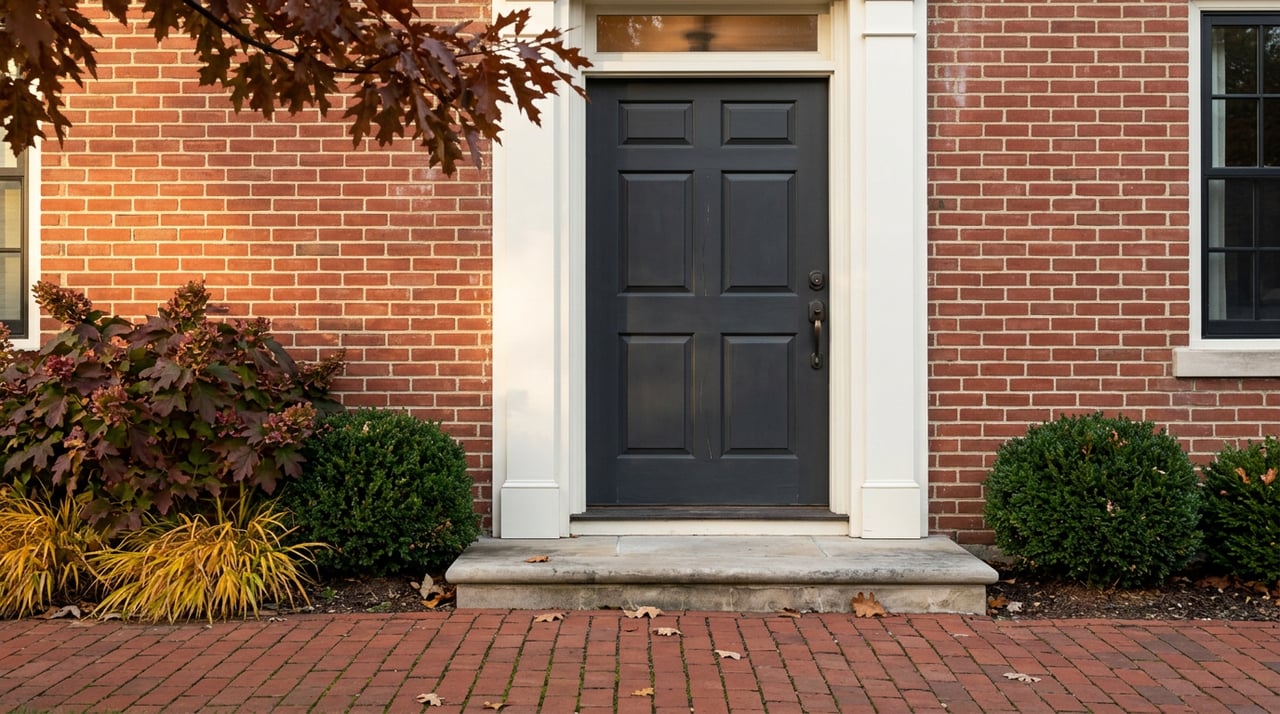
Curb appeal. Trim shrubs, mow, add fresh mulch, power wash siding, and paint the front door. First impressions drive showings.
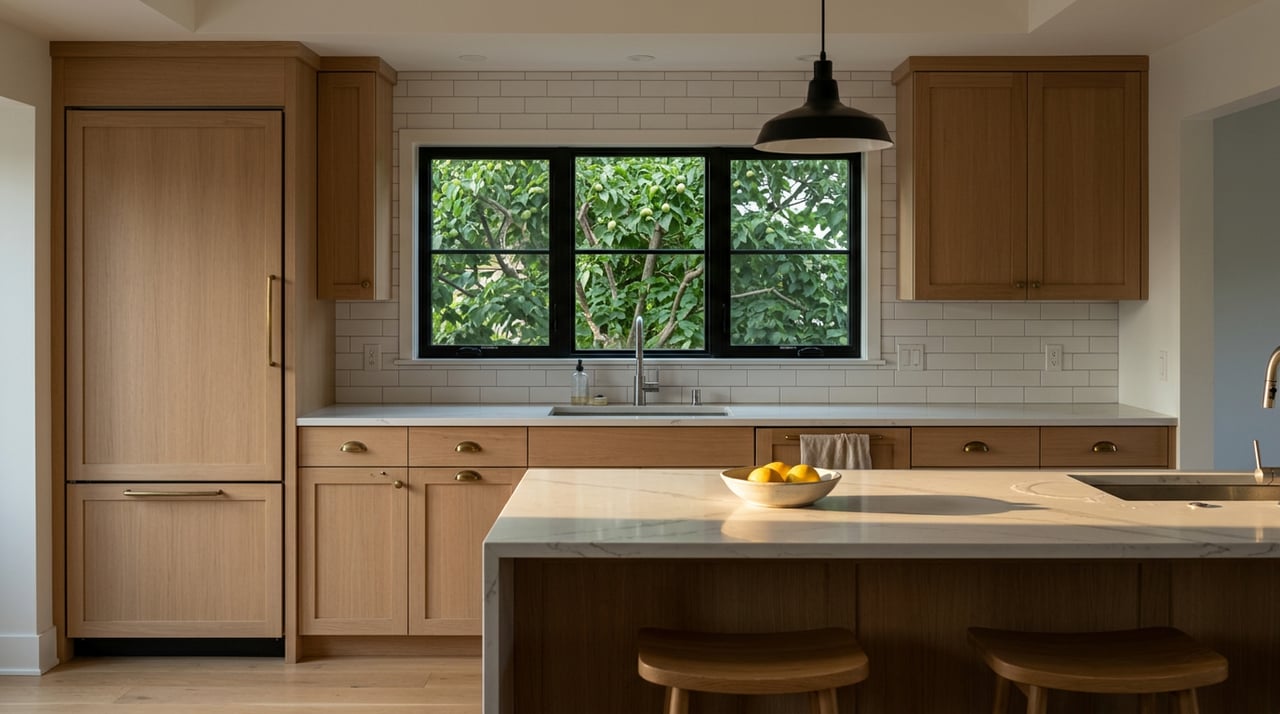
Kitchens and baths. Deep clean grout and counters, re-caulk, replace failing fixtures, and update hardware where dated. Minor refreshes go far.
Cosmetic touch-ups. Patch paint, fix holes, address flooring patches, and replace burnt bulbs.
Photo-visible items. Repair broken shutters, cracked walkways, and peeling siding that stand out online.
Repairs vs credits
If you are pressed for time, offering a buyer credit at closing can be efficient for minor items. For structural or safety issues, repairs are often required for loan approval. Get estimates from licensed contractors. If a repair will take more than two weeks or cost a significant portion of your net, a credit may be the better play in a strong market.
Permits and documentation
Match any past structural, electrical, HVAC, plumbing, or exterior work with permit approvals and closure documents. Unpermitted work can delay or derail closings. Hire licensed, insured contractors, collect 2–3 written bids, ask for references and proof of insurance, and confirm timelines.
Keep a folder with receipts, warranties, manuals, prior inspection or repair reports, HOA documents, and septic or well test results if applicable. Organized records make negotiations smoother.
Pre-listing inspection
A seller inspection can reveal issues early, guide targeted fixes, and build buyer confidence when you share the report. In addition to a general inspection, consider sewer or septic checks where applicable and a termite inspection depending on expected loan types.
Smart pricing strategy
Use recent, nearby comparable sales within the last 30–90 days for a realistic Comparative Market Analysis. Adjust for lot size, recent upgrades, school district boundaries, and functionality.
Price bands influence buyer behavior. In hotter conditions some sellers price slightly below market to spark multiple offers. In a balanced market, realistic pricing is key to avoid extended days on market. Be mindful of appraisal risk if you push above recent comps, especially with financed buyers.
Marketing that works here
A strong MLS listing with professional photos is essential. Include bright daytime exteriors, a twilight shot if the home shows well at dusk, and a clear interior sequence that shows how rooms connect. Add a 3D tour and a floor plan to capture online shoppers and out-of-area buyers.
Amplify reach with targeted social ads, email alerts to local agents, and broker open houses. Create a concise neighborhood overview that highlights commute options, parks, shopping, and neutral school information so buyers can picture daily life.
Staging that sells
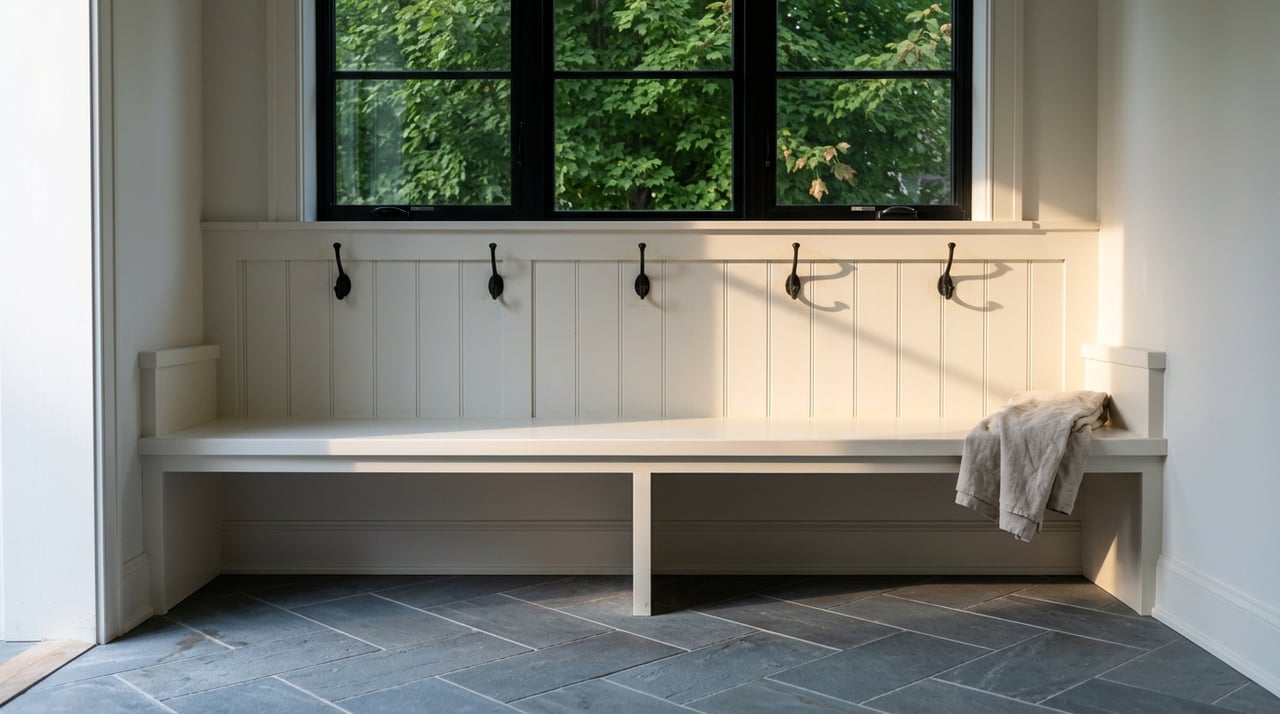
- Declutter and depersonalize. Remove family photos and streamline surfaces.
- Use neutral paint where current colors are bold or dated.
- Arrange furniture for flow. Remove oversized pieces that make rooms feel small.
- Improve lighting. Replace burnt bulbs with daylight-balanced ones and add lamps to dark corners.
- Invest in small updates. New cabinet hardware, simple light fixtures, clean outlet covers, and fresh mulch offer high perceived value.
If you are short on time, consider partial staging of high-impact rooms like the living room, kitchen, and primary suite for maximum return with minimal disruption.
Showings and safety
A lockbox can increase showings, but plan for security. Remove or secure valuables, medications, firearms, and sensitive documents. Keep the yard clean of pet waste and arrange for pets to be off-site or crated during showings.
Provide a one-page features sheet with utility details and helpful notes about the home’s systems. Keep lights on and blinds adjusted for bright, welcoming showings.
Compare and choose offers
Expect to see the purchase price, earnest money, closing date, financing and appraisal contingencies, inspection terms, requested credits or concessions, and any personal property inclusions. Respond within deadlines. Counteroffers are common and allow you to fine-tune terms.
Look beyond price. Flexible closing dates, fewer contingencies, and strong earnest money can lower risk. Confirm the buyer’s financing strength when possible.
Inspections and negotiation
Buyers commonly order a general inspection, termite or pest exam, sewer scope, HVAC check, and sometimes a radon test. Septic inspections are routine for septic properties. In older suburban homes, common findings include roof wear, minor plumbing leaks, older electrical components, gutter and grading issues, and lower-level moisture.
Loan type matters. FHA and VA often have more stringent safety and habitability requirements. Work with cost estimates from licensed contractors to decide whether to repair, credit, or reduce price. Credits are popular for minor to medium items when you want to keep momentum. Use clear deadlines or a repair escrow if work must continue after acceptance.
Closing costs and disclosures
Most financed purchases close in 30–45 days. Cash deals can move faster. Key milestones include appraisal, underwriting, inspections, agreed repairs or credits, title search, and the final walkthrough.
Common seller costs in Ohio include real estate commission, prorated property taxes and utilities, title and recording fees depending on local custom, mortgage payoff and lien releases, and any applicable transfer taxes or fees. Ask your title company early for an estimate and request a mortgage payoff statement from your lender to avoid delays.
Ohio requires the Residential Property Disclosure Form for most sellers. If your home was built before 1978, complete federal lead-based paint disclosures and provide the required EPA pamphlet. Disclose known material defects that affect value or habitability. Verify that smoke and carbon monoxide detectors meet local code and are functional before closing. Resolve any title issues such as liens or easements that could affect conveyance.
Moving and wrap-up
Set utility transfer dates, schedule movers, and forward your mail. If you have an HOA, provide required resale disclosures and fees. Aim to leave the home walkthrough-ready 24–48 hours before closing so the buyer can confirm agreed condition.
Quick seller checklist
- 6–12 weeks out: Gather deed, survey, permits, warranties, HOA docs, and utility info. Consider a pre-listing inspection. Start contractor bids. Request your mortgage payoff estimate.
- 3–6 weeks out: Complete major repairs and close permits. Deep clean, paint touch-ups, landscape, declutter. Organize receipts and warranties.
- 1–2 weeks out: Stage key rooms. Book professional photos and a 3D tour. Finalize price, description, and showing rules.
- Listing week: Publish MLS listing. Launch marketing to local agents and online channels. Schedule open houses or broker opens.
- Under contract: Provide disclosures. Coordinate inspections and appraisal. Negotiate repairs or credits. Complete title work.
- Closing week: Final walkthrough prep. Confirm utility transfers and movers. Bring IDs and any required documents to closing.
Ready for a smoother sale with hands-on help? From pricing and staging to contractor coordination and negotiation, you can lean on a trusted local guide. Connect with Connie Sadowski to map out your timeline and get a clear plan that fits your goals.
FAQs
What makes selling in Blacklick different?
- Blacklick spans Jefferson Township in Franklin County and may overlap nearby municipal boundaries. Confirming your property’s jurisdiction and services up front helps you price, disclose, and market correctly.
When is the best time to list in Central Ohio?
- Spring and early summer typically bring more buyer activity. If you need to list off-season, focus on accurate pricing, strong photos, and a clean, move-in-ready presentation.
Should I fix issues or offer a credit?
- Fix safety and major system problems before listing when possible. For minor items, credits at closing can save time. Use licensed contractor estimates to compare cost, timeline, and impact on your net.
What inspections do buyers usually order here?
- Expect a general home inspection, termite or pest check, sewer scope, HVAC evaluation, and sometimes radon. Septic properties typically require a septic inspection.
What disclosures are required for Ohio home sellers?
- Most sellers must complete the Ohio Residential Property Disclosure Form. Homes built before 1978 require federal lead-based paint disclosures. You must disclose known material defects that affect value or habitability.