Wondering if a condo or townhome in Gahanna is the right fit for your next move? If you want lower-maintenance living without giving up convenience, this part of Central Ohio has a lot to like. From understanding HOA rules to comparing ownership types, this guide will help you sort through the details that matter most before you buy. Let’s dive in.
Why Gahanna attracts attached-home buyers
Gahanna offers a location that is hard to ignore if you want easy access around Central Ohio. It sits about eight miles from downtown Columbus and just minutes from John Glenn International Airport, which can make daily commuting and travel simpler.
The city also offers strong public amenities that support an active lifestyle. According to the City of Gahanna, it owns and maintains 759 acres of parkland across 52 parks and green spaces, plus about 20 miles of trails, including the Big Walnut Trail.
Creekside Park & Arboretum and Creekside Plaza add to that appeal. In the Creekside District, you can enjoy trail access, restaurants, events, and public gathering spaces, all of which can make attached living feel especially convenient.
That local setup helps explain why condos and townhomes often appeal to first-time buyers, downsizers, and busy professionals. If you want a home with less exterior upkeep and a more manageable routine, Gahanna can be a practical place to look.
Gahanna market conditions to keep in mind
Buyers should also understand the broader market before starting a search. As of spring 2026, Zillow reported an average Gahanna home value of $380,320 and a median sale price of $386,400.
Realtor.com described Gahanna as a seller’s market in March 2026. In plain terms, that means well-priced homes can still move quickly, including attached properties.
If you are shopping for a condo or townhome in 43230, preparation matters. You may need to move fast on the right property, but you also want enough time to review the association documents carefully.
Condo vs. townhome in Ohio
This is one of the most important things to understand before you buy. In Ohio, the legal form of ownership matters more than how the property looks from the street.
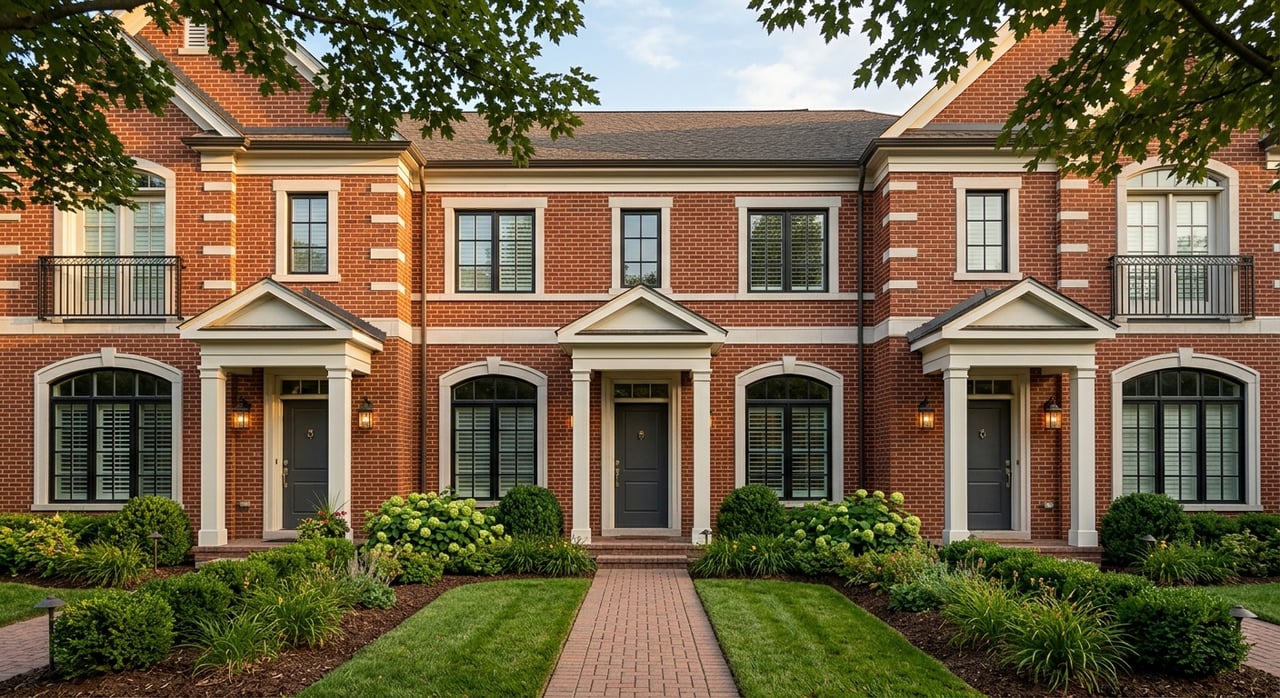
An attached home that is marketed as a townhome may legally be a condominium or part of a planned community. That means two homes with a similar layout can come with very different rules, maintenance responsibilities, and ownership structures.
What a condominium means
Under Ohio law, a condominium owner has exclusive possession of a unit plus an undivided interest in the common elements. Common elements may include shared areas such as exterior components, grounds, or other spaces defined in the declaration.
Ohio law also allows condo associations to regulate use, maintenance, repair, replacement, modification, and appearance of the property. Associations can collect assessments and may impose enforcement assessments after notice and a hearing.
Another detail to know is the concept of limited common elements. These are areas reserved for the use of one unit or a specific group of units, and the declaration determines exactly how those areas are defined and handled.
What a planned community means
A planned community is a different legal setup. It is a community of individual lots governed by an owners association, and Ohio law states that a condominium property is not a planned community.
In many planned communities, the owner is responsible for the lot and its improvements, including the dwelling unit and utility lines that serve it, unless the declaration says otherwise. The association is generally responsible for common elements.
Planned-community associations can also enforce the declaration, bylaws, covenants, conditions, and restrictions. They may adopt rules about common-element maintenance and appearance, collect assessments, and charge certain fees allowed by the governing documents.
Why the declaration matters most
The key takeaway is simple: do not assume the exterior style tells you how ownership works. The recorded declaration, bylaws, and related documents tell you what you actually own, what the association controls, and what costs and rules come with the property.
Because governing documents and bylaws are filed with the county recorder in planned communities, buyers can independently verify the legal structure. That extra step can prevent surprises later.
What to review before making an offer
When you find a condo or townhome you like, the document review is just as important as the showing. You are not only buying the home itself. You are also buying into a legal and financial framework that will affect your day-to-day ownership.
The most important items to review include:
- Declaration
- Bylaws
- Amendments
- Current budget
- Rules and regulations
- Resale certificate or unpaid-assessment statement, when applicable
- Drawings and plans that show unit boundaries and common elements
For condominiums, Ohio defines condo instruments broadly. They can include the declaration, drawings and plans, bylaws, development disclosure statement, management contracts, and other documents that establish ownership or control.
Focus on reserves and special assessments
One of the first questions to ask is whether the association is saving enough for future repairs. In Ohio, condo associations must adopt an annual budget and include reserves adequate to repair and replace major capital items, unless the declaration or bylaws limit assessment increases or the owners waive that reserve requirement in writing each year.
That makes reserve funding an important clue about the association’s financial health. You should also ask whether there have been recent special assessments, pending special assessments, or deferred-maintenance projects.
For planned communities, common expenses are allocated under the declaration and can include reserves. The exact setup depends on the documents, which is why there is no substitute for reviewing them closely.
Ask what HOA dues really cover
Monthly dues can look reasonable at first glance, but the real question is what they include. Depending on the community, assessments may cover exterior maintenance, landscaping, snow removal, trash, amenities, administration, or common-element repairs.
Ohio law gives significant weight to the declaration in determining expense allocation and association powers. That means coverage can vary widely from one community to another, even within the same city.
If you are comparing multiple properties, ask for a clear breakdown of what the dues pay for. A slightly higher monthly fee may be worth it if it reduces future maintenance burdens and helps create a more predictable budget.
Review rules that affect daily living
Association rules can shape your ownership experience in a big way. Before writing an offer, review the rules on rental limits, pets, parking, and exterior changes.
In Ohio condominiums, associations may regulate use, occupancy, appearance, and maintenance. Planned communities also have enforcement powers under their governing documents.
This step matters because lifestyle fit is personal. A home may look perfect online, but the rules may not match how you plan to use the space.
Confirm the layout and boundaries
Not all attached homes live the same way. Some have multiple levels, some place the garage on the lower level, and some offer limited outdoor space while others provide patios or small yards.
Recorded drawings and plans are important because they show the unit boundaries and common elements that shape the floor plan. Review those documents so you know exactly what is included, especially if storage areas, patios, balconies, or garages are involved.
It is also smart to confirm practical details in person. Check the number of stairs, the main living level, and how the entry and parking setup will work for your day-to-day routine.
Budget beyond the HOA fee
Your monthly budget should include more than principal and interest. Franklin County states that real property taxes are levied on a parcel and billed in arrears on a semiannual schedule.
That means property taxes are separate from HOA dues. When you compare a condo, townhome, and single-family home, be sure you are looking at the full monthly cost rather than just the mortgage payment or the HOA fee by itself.
A realistic budget should account for:
- Mortgage payment
- HOA or condo dues
- Property taxes
- Homeowners insurance, if applicable to your ownership structure
- Utilities and any owner-paid services
What about new construction?
If you are considering a newly built condominium, Ohio law requires a development disclosure statement that fully and accurately describes material circumstances and features affecting the development.
That document can be especially important when the community is still being completed or when amenities, phases, or future improvements are part of the sales pitch. If you are buying new, make sure you understand what exists today and what is still planned.
This is one area where experienced guidance can help you ask better questions early. It is much easier to evaluate expectations before you are under pressure to close.
Attached homes vs. single-family homes
For many buyers, the decision comes down to control versus convenience. Condos and many townhomes often shift some exterior upkeep and shared-area management to the association, while single-family homes usually come with more direct owner responsibility.
That tradeoff can be a real advantage if you want less hands-on maintenance. It can also be a downside if you prefer fewer rules and more independence over how the property looks and functions.
Attached homes may fit you if
Attached living may make sense if you want:
- Less exterior maintenance
- A more predictable monthly ownership structure
- Easier lock-and-leave convenience
- Access to Gahanna amenities without managing a large lot
This can be especially appealing if you are a first-time buyer, a downsizer, or someone with a busy schedule. In a city like Gahanna, that balance of convenience and access is a major selling point.
A single-family home may fit you if
A detached home may be the better choice if you want:
- More privacy
- A larger yard
- Fewer association rules
- More control over maintenance and exterior changes
Neither option is automatically better. The best fit depends on your budget, your daily routine, and how comfortable you are with shared governance.
A smart buying strategy in Gahanna
If you are shopping for a condo or townhome in Gahanna, the best approach is to look beyond the photos and monthly dues. Focus on how the ownership structure, budget, rules, and maintenance responsibilities align with your goals.
A good purchase is not just about liking the kitchen or floor plan. It is about understanding what you own, what you share, and what you are agreeing to over time.
That is where careful guidance can make a real difference. When you know the right questions to ask, you can move with confidence and avoid common surprises.
If you are exploring condos or townhomes in Gahanna and want practical help comparing your options, Connie Sadowski can help you evaluate the details, understand the documents, and find the right fit for your lifestyle.
FAQs
What is the difference between a condo and a townhome in Gahanna?
- In Gahanna, a home that looks like a townhome may legally be a condominium or part of a planned community, so you need to review the declaration and governing documents to understand ownership, maintenance, and rules.
What documents should buyers review for a Gahanna condo or townhome?
- Buyers should review the declaration, bylaws, amendments, current budget, rules, resale or unpaid-assessment information, and recorded drawings or plans that show unit boundaries and common elements.
Do HOA dues in Gahanna include property taxes?
- No. Franklin County says real property taxes are billed separately on a semiannual schedule, so taxes should be added to your full monthly housing budget.
Why do reserves matter when buying a condo in Gahanna?
- Reserve funding helps an association plan for major repair and replacement costs, and weak reserves can increase the risk of special assessments or deferred maintenance.
What rules should buyers check before buying a townhome or condo in Gahanna?
- Buyers should check rules on pets, parking, rentals, exterior changes, occupancy, and maintenance responsibilities before making an offer.
Are attached homes in Gahanna good for downsizing?
- They can be a practical option for downsizing if you want less exterior upkeep, a simpler routine, and convenient access to Gahanna parks, trails, Creekside, and nearby Columbus destinations.