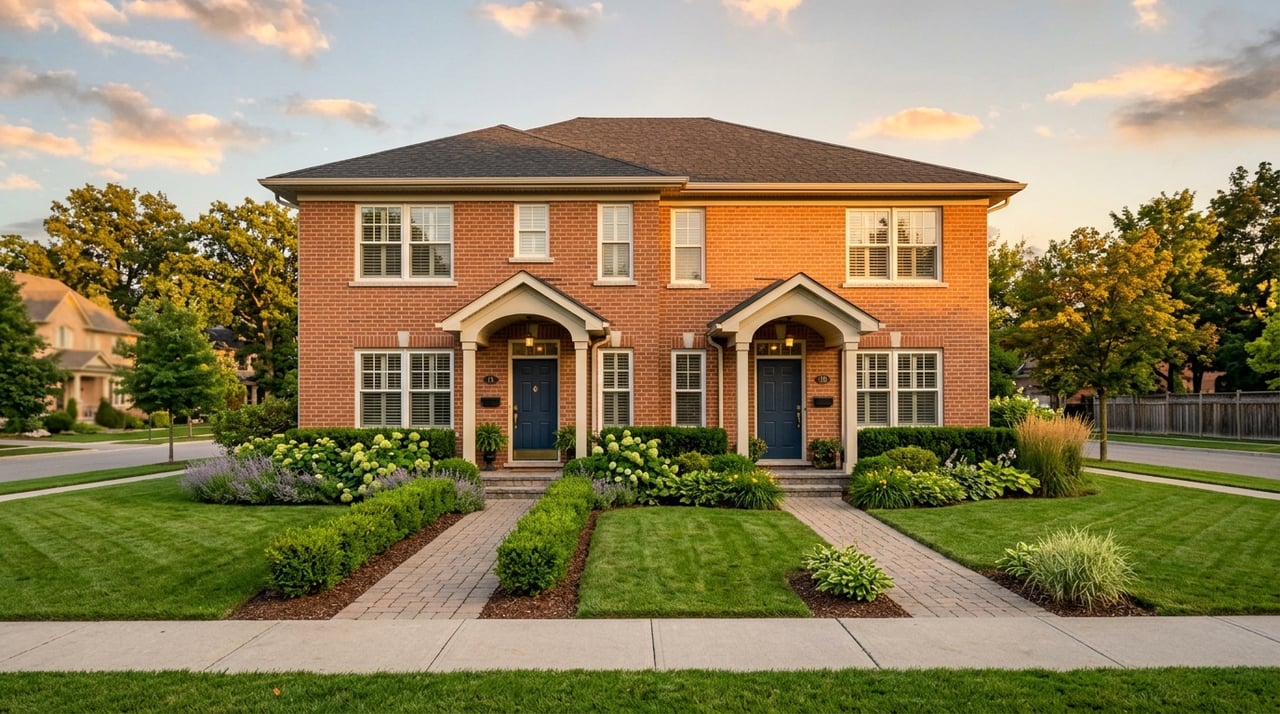
If you are thinking about buying your first small rental in Delaware, Ohio, it is easy to focus on rent and mortgage math first. But in this market, the better starting point is whether the property fits local rules, your financing plan, and your budget for repairs and vacancies. When you understand those basics up front, you can make smarter offers and avoid expensive surprises. Let’s dive in.
Delaware rental market basics
Delaware is a growing suburban market. The U.S. Census Bureau estimates the city’s population at 46,636 in 2025, which is up 12.9% from the April 1, 2020 base. That kind of growth helps explain why rental property keeps showing up on buyers’ radar.
The local housing picture also matters. In Delaware city, the owner-occupied housing rate is 64.7%, median gross rent is $1,286, and median owner-occupied home value is $318,400. Countywide, vacant housing units are 4.4%, rental vacancy is 2.0%, and the housing stock is heavily weighted toward single-family detached homes.
That last point is especially important for new investors. Countywide, 73.4% of homes are single-family detached, while just 1.1% are two-unit structures and 3.2% are three- or four-unit structures. In practical terms, that means single-family rentals may feel more straightforward in Delaware, while duplexes and small multifamily properties are less common and should be reviewed carefully for condition, demand, and turnover risk.
What counts as a small rental
For most buyers, a “small rental” means a single-family home, duplex, triplex, or four-unit residential property leased for housing. In Delaware County, the rental filing system applies broadly to homes and other dwelling units leased for residential purposes. That makes it important to think beyond purchase price and ask how the property will actually be used.
Your intended use does not control the property by itself. Delaware’s planning and zoning code determines what each parcel can support, and the city updated its zoning map under a new zoning code adopted in July 2025. If you are considering a duplex or another small multifamily property, you need to confirm that the parcel’s zoning district allows that use.
Start with zoning before offering
Before you write an offer, verify the zoning district and confirm the intended use fits the parcel. This matters most when you are looking at anything beyond a typical single-family rental. A property that looks like a good investment on paper may not match the allowed use under the current code.
This step can also affect your renovation plans. If you hope to rework the layout, add units, or make major system updates, local approval may become part of your timeline and budget. That is one reason first-time investors do well when they slow down and check the basics first.
Delaware permits and inspections
In Delaware, permits are not just for new construction. The city requires permits for new construction, alterations, improvements, and replacements. Delaware issues combined building and zoning permits for most projects, and the Building Division is state-certified.
Structural, electrical, and mechanical work generally need permits. Plumbing permits are handled through the Delaware County Health District. If you are buying an older home or a property that needs updates before it can be rented, permit requirements should be part of your due diligence.
Inspection timing matters too. Inspection requests must be made by noon on the business day before the inspection. That may sound like a small detail, but it can affect how quickly you finish repairs and get the property ready for a tenant.
Owner registration and local compliance
Owning a rental in Delaware County comes with filing requirements. Residential rental owners must file owner and property information with the county auditor. If that information changes, it must be updated within 60 days.
There is also an extra step for some owners. If you live outside Ohio, state law requires an Ohio-resident agent for service of process unless a statutory agent is already on file. If you are buying from out of state or planning a move later, that requirement should be on your checklist.
Ohio landlord duties to know
Ohio landlord-tenant law sets out clear maintenance responsibilities. As a landlord, you must keep the property habitable, make needed repairs, maintain common areas, and keep plumbing and HVAC systems in good working order. These are not optional items you can push off until later.
Entry rules matter too. Landlords must give reasonable notice before entering except in emergencies, and 24 hours is presumed reasonable unless there is evidence otherwise. Good systems and clear communication can help you stay compliant and reduce friction with tenants.
Tenants have responsibilities as well. They must keep their portion of the property safe and sanitary, use fixtures properly, follow applicable codes, and not unreasonably block landlord entry for inspections, repairs, or showings. Knowing both sides of the relationship helps you set realistic expectations before you buy.
Lease endings and security deposits
Some of the most common mistakes happen at move-out. In Ohio, month-to-month tenancies require at least 30 days’ notice, and week-to-week tenancies require at least seven days’ notice. Those timelines should match how you plan your turnover and vacancy periods.
Security deposits also need careful handling. If you make deductions, they must be itemized and delivered in writing within 30 days after the tenancy ends and possession is delivered. If a landlord does not comply, the tenant can seek the withheld amount, plus damages and attorney fees.
Utilities and code enforcement
City utilities should be part of your startup budget. Delaware’s utility billing page says a $100 deposit is required for residential rental properties, although it can be waived for tenants with a good payment record. Even a modest required deposit is worth planning for when you are building your cash reserve.
Code enforcement matters just as much as lease paperwork. Delaware enforces its Exterior Property Maintenance Code and International Property Maintenance Code. If violations are not resolved, the city can take corrective action that may lead to liens or civil or criminal enforcement.
For first-time investors, this is a reminder that deferred maintenance can become more than a cosmetic issue. A cheaper property may not stay cheaper if it comes with code problems, permit issues, or major repairs.
Financing a first small rental
Financing can look very different depending on how you plan to occupy the property. Conventional lending is usually more flexible for owner-occupied small multifamily homes than for true investment properties. A duplex may be financeable, but it is not usually as simple as buying a standard single-family primary residence.
Freddie Mac and Fannie Mae treat 1- to 4-unit investment properties and 2- to 4-unit owner-occupied homes differently, especially around rental income, reserves, and underwriting assumptions. That means you should talk with a lender early, especially if you are counting on rent to help you qualify.
Fannie Mae’s rental income guidance also shows why early lender conversations matter. Rental income may be used to qualify in some 2- to 4-unit primary residence and 1- to 4-unit investment scenarios, but only if you document rental history or a current lease the way the lender requires. Projected rent does not automatically offset the payment the way many first-time investors hope.
Build the right support team
A first rental purchase usually goes more smoothly when you have the right professionals around you. A practical team often includes a lender, tax preparer or CPA, insurance agent, real estate attorney, and a property manager if you do not want day-to-day tenant contact. In a market with active code enforcement and permit review, that support can save you time and stress.
Each advisor helps with a different part of the risk. Your lender can explain qualification rules and reserves. Your tax preparer or CPA can help you understand recordkeeping needs, while your insurance agent and attorney can help you think through coverage and lease language.
Questions to answer before buying
Before you move forward on a small rental in Delaware, make sure you can answer a few practical questions with confidence.
- Does the parcel’s zoning district allow your intended use?
- Will the property need structural, electrical, or mechanical work that requires permits?
- Will you occupy the property, or is it a true investment purchase?
- Do you have enough cash reserves for vacancy, repairs, and utility deposits?
- Have you reviewed maintenance needs that could trigger code enforcement issues?
If you can answer those questions early, you will be in a much stronger position to evaluate deals clearly. You do not need to know everything on day one, but you do need a process that keeps local rules, financing, and property condition in view.
Buying a small rental in Delaware can be a smart move when you approach it with clear expectations and careful planning. If you want local guidance as you compare properties, weigh neighborhoods, and think through your next step in Central Ohio, reach out to Connie Sadowski.
FAQs
What is the most common small rental type in Delaware, Ohio?
- Countywide housing stock is dominated by single-family detached homes at 73.4%, so single-family rentals are generally the most common small-rental format in the area.
Do duplexes need zoning review in Delaware, Ohio?
- Yes. Whether a duplex or other small multifamily use is allowed depends on the parcel’s zoning district under the city’s zoning code.
Do Delaware, Ohio rental properties require permits for repairs?
- Many projects do. The city requires permits for new construction, alterations, improvements, and replacements, and structural, electrical, and mechanical work generally need permits.
What rental owner filing is required in Delaware County, Ohio?
- Residential rental owners must file owner and property information with the county auditor and update that information within 60 days of a change.
What notice is required to end a month-to-month lease in Ohio?
- Ohio requires at least 30 days’ notice to end a month-to-month tenancy.
How should security deposit deductions be handled for Ohio rentals?
- Any deductions must be itemized and delivered in writing within 30 days after the tenancy ends and possession is delivered.
Can rental income help you qualify for a Delaware, Ohio investment property loan?
- In some cases, yes, but lenders require specific documentation for rental history or current leases, so it is wise to speak with a lender early.
What cash reserves should a first Delaware, Ohio rental investor plan for?
- At minimum, you should plan for vacancy, repairs, and local utility deposits, and you should not assume rent will fully offset costs right away.