If you own a historic home in Worthington, you already have something buyers notice right away: character that is hard to copy. But marketing that charm well takes more than calling a home "cute" or "full of history." You need a plan that highlights what makes the property special, protects the details that matter, and helps buyers picture themselves living there. Let’s dive in.
Why Worthington charm stands out
Worthington’s historic identity is part of what makes its older homes so appealing. The city describes Worthington as a community settled in 1803, shaped as one of the Midwest’s first planned communities, with a village green, brick sidewalks, and original commercial buildings and churches still helping define its look.
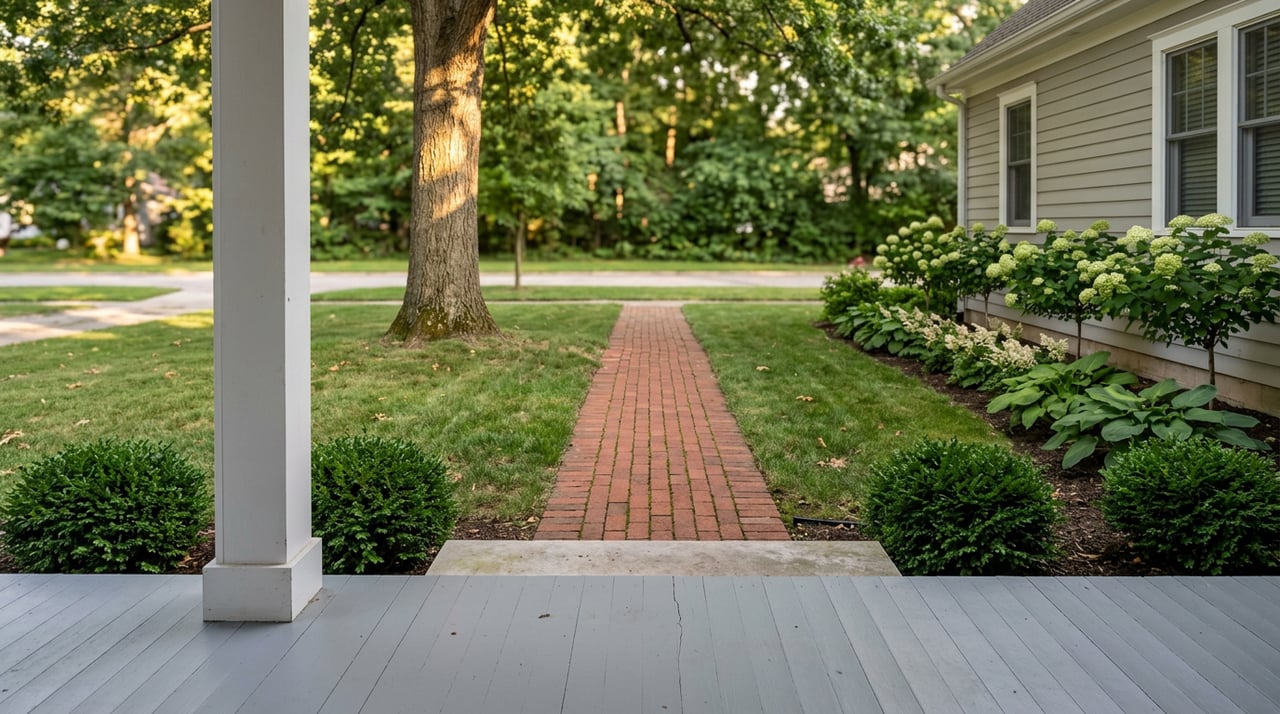
That means your home’s appeal is not just about age. It is also about how the house fits into the larger streetscape through scale, setbacks, materials, mature trees, sidewalks, and porches. When you market your home, buyers should understand that they are seeing a property with a real connection to Worthington’s visual character.
Describe style with real details
Vague words like charming or one-of-a-kind do not do enough work in a listing. Buyers respond better when your home is described with concrete, visible details they can recognize in photos and during a showing.
Worthington’s design guidance includes styles such as Federal, Greek Revival, Gothic Revival, Italianate, Queen Anne, Craftsman, Prairie, Colonial Revival, Cape Cod, Ranch, and Split Level. It also identifies details like three- or five-bay facades, dormers, porches with columns, double-hung windows with shutters, wide eaves, knee braces, brickwork, and strong horizontal lines.
If you know your home’s style or era, use that language clearly. If you do not, you can still focus on visible features that help buyers understand the home’s architecture.
Better listing language examples
Instead of relying on broad praise, focus on facts like these:
- Original brick exterior
- Open front porch with columns
- Double-hung windows with matching proportions
- Dormers that add light and character
- Wide eaves and detailed trim
- Symmetrical facade and defined front entry
- Updates that support daily living while respecting the home’s design
That approach feels more trustworthy and helps buyers connect your home’s appearance to Worthington’s historic setting.
Protect character before listing
One of the biggest mistakes sellers make is over-updating right before the home goes on the market. In a historic home, major changes can remove the very features that give the property its value and personality.
Worthington’s guidance favors repair and retention of historic materials when possible. That means preserving character-defining details, not replacing them just because they are old.
Start with repair over replacement
If trim, porch elements, doors, or windows need attention, repair is often the better first step. Worthington’s design guide specifically says retaining and repairing historic windows is preferable, and original window openings should not be resized.
If replacement windows are truly needed, they should match the original size, design, and profile as closely as possible. Buyers who love historic homes often notice these details immediately, especially in listing photos.
Be careful with masonry and paint
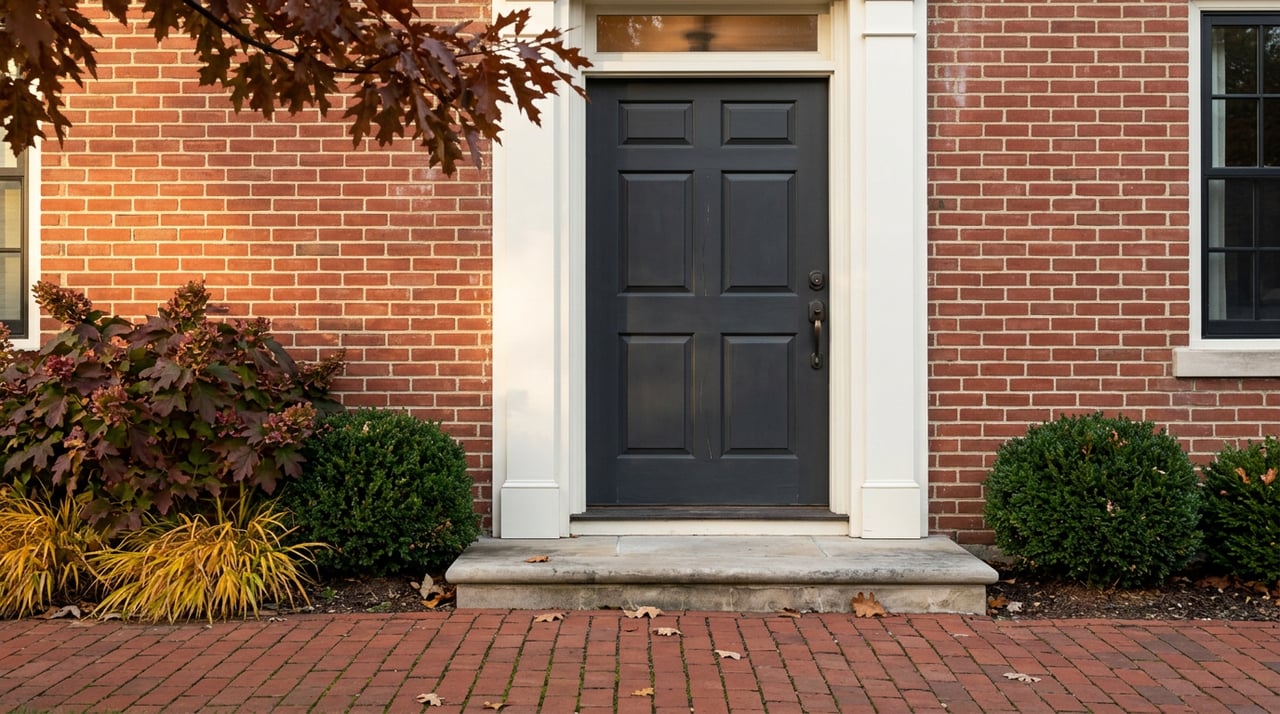
Brick and masonry need a light touch. Worthington’s guide says masonry should be cleaned gently, and painted brick should remain painted while unpainted brick should remain unpainted.
That matters because aggressive cleaning or the wrong finish can change the look of the home. Before you make cosmetic updates, it helps to think about whether the work supports the home’s original materials rather than covering them up.
Keep porches open and inviting
Porches are a major part of Worthington’s visual character. The city’s design guide generally discourages porch enclosures when they alter the open character of the porch.
If your front porch is one of the home’s best features, treat it that way. Clean lines, fresh paint where appropriate, and a clear, welcoming entry often do more for curb appeal than a larger project that changes the porch’s original look.
Check review rules early
Before starting exterior work, confirm whether your property is in Worthington’s Architectural Review District. The city says a Certificate of Appropriateness is required for exterior alterations, reconstruction, enlargement, remodeling, demolition, and changes that affect materials, finish grade line, landscaping, or orientation within the district.
This is especially important because district boundaries extend beyond the original village in some places. If you are thinking about changes to windows, porches, fences, roofing, or other exterior features, checking your parcel status early can help you avoid delays and protect your timeline.
Projects worth checking first
If your home may be in the district, review plans before committing to:
- Window changes
- Porch work
- Roof updates
- Fence installation or replacement
- Exterior remodeling
- Demolition of existing features
- Landscaping changes that affect the site’s appearance
For sellers, this is a practical step, not just a paperwork step. It can keep your make-ready plan focused and realistic.
Focus pre-list updates where buyers notice
You do not need a huge renovation budget to market a historic Worthington home well. In many cases, smaller compatible improvements create a stronger result than major remodeling.
Worthington’s guidance supports simple, style-appropriate decisions, especially around doors, entrances, windows, trim, porches, and masonry. Those are the elements buyers tend to notice first online and in person.
Smart pre-list priorities
A targeted plan may include:
- Repairing damaged trim or porch details
- Using historically compatible paint colors
- Making the front door and entry more visually clear
- Cleaning masonry gently
- Simplifying storm door choices if one is needed
- Decluttering rooms so architectural features are easier to see
This kind of make-ready work fits well with a seller who wants strong presentation without taking on an oversized project.
Stage for architecture and flow
Historic homes often have memorable details, but buyers still need help imagining daily life in the space. According to the 2025 staging report from the National Association of Realtors, 83% of buyers’ agents said staging makes it easier for buyers to visualize a property as a future home.
That same report found that 31% said buyers were more willing to walk through a home they saw online after it had been staged. For your Worthington home, that means presentation matters both in person and on screen.
Prioritize key rooms first
The most important rooms to stage were the living room, primary bedroom, and kitchen in the 2025 report. That aligns well with how buyers process a historic home.
They want to enjoy the character, but they also want to see how the house functions day to day. Clean furniture placement, lighter styling, and a clear traffic flow can make older layouts feel easier to understand.
Let details breathe
Do not overcrowd rooms that already have architectural interest. If your home has original woodwork, detailed windows, a fireplace, built-ins, or a formal entry, keep nearby decor simple so those features stand out.
Historic charm is easier to appreciate when the room feels calm. Buyers should be able to notice the porch view, the window proportions, the trim, or the brickwork without visual clutter getting in the way.
Plan photos in the right order
Photos are one of the most important parts of marketing any home. In the same 2025 NAR staging report, 73% of buyers’ agents said photos were much more important or more important than other media for their clients, followed by videos and virtual tours.
For a historic Worthington property, the best photo plan should tell a story. Start with the exterior and front entry, then move through the main living spaces before ending with the details that make the home memorable.
A strong photo sequence
A useful order is:
- Front exterior and curb appeal
- Front porch or entry details
- Living room
- Dining room
- Kitchen
- Primary bedroom
- Additional functional spaces
- Detail shots such as dormers, brickwork, windows, columns, or trim
This sequence helps buyers understand both the lifestyle and the architecture. It gives them the broad view first, then the personality.
Use copy that balances history and comfort
The best marketing for a historic home does not treat it like a museum piece. Buyers want to know what has been preserved, but they also want to know how the home supports modern living.
That is where thoughtful listing copy matters. Worthington’s style guidance gives you the vocabulary to describe the home accurately, and preservation standards support the idea that a historic home can adapt for current use without losing what makes it special.
What your listing should explain
Your listing should aim to cover three things clearly:
- The home’s style or era, when known
- The visible architectural features that define its character
- The updates that improve everyday living while respecting the original design
For example, instead of saying a home has "old-world charm," stronger copy might point to an original brick facade, double-hung windows, a columned porch, and thoughtful improvements that preserve the home’s proportions and materials.
Budget wisely for make-ready work
If you are worried that preparing a historic home will become expensive fast, you are not alone. The 2025 NAR data reported a median staging-service cost of $1,500, compared with $500 when the seller’s agent handled staging.
That same reporting also noted that many sellers’ agents do not fully stage every home before listing, but instead recommend decluttering or correcting property faults. For many Worthington sellers, that is encouraging news. A focused plan can still create a polished result without requiring a full-scale staging package.
The right strategy respects the home
Historic charm is most effective when it feels authentic. Buyers in Worthington are not just responding to an older house. They are responding to a home whose architecture, materials, porch, windows, and setting reflect the broader look and feel that makes Worthington recognizable.
When you preserve what matters, present it clearly, and market it with specific language, your home has a better chance to stand out for the right reasons. That is how you honor the property and help buyers see its value.
If you are getting ready to sell and want help creating a smart make-ready plan, staging the home, and marketing its character with care, connect with Connie Sadowski.
FAQs
Do Worthington historic homes need special review before exterior work?
- If your property is in the Architectural Review District and the work affects the exterior, Worthington requires review through its Certificate of Appropriateness process before moving forward.
Can you replace windows in a Worthington historic home?
- Worthington’s design guidance says repair and retention are preferred when possible, and if replacement is needed, the new windows should closely match the original size, design, and profile.
Is enclosing a porch a good idea before selling a Worthington historic home?
- Usually not, because Worthington generally discourages porch enclosures that change the open character of the porch.
What makes listing copy stronger for a Worthington historic home?
- The strongest copy identifies the home’s style or era when known, names visible architectural details, and explains updates that support modern living without relying on vague descriptions.
Do you need a large budget to market a Worthington historic home well?
- Not always. Targeted repairs, decluttering, light staging, and careful photography can go a long way, even if a full staging package is not part of your plan.