Torn between New Albany and Blacklick? You are not alone. These neighboring east‑side communities offer very different vibes, budgets, and daily rhythms. If you want clarity on housing, schools, amenities, and commute so you can choose with confidence, you are in the right place. By the end, you will have a side‑by‑side understanding and a practical checklist to guide your next step. Let’s dive in.
Quick snapshot: Key differences
- Governance and services: New Albany is an incorporated city with municipal services and a long‑term master plan. Blacklick is an unincorporated area in Jefferson Township with township and county services.
- Housing mix: New Albany skews toward larger, newer, and higher‑end homes with design standards and HOAs common. Blacklick offers a wider mix that includes modest single‑family homes, condos, apartments, and newer subdivisions.
- Price tiers: New Albany typically sits above the Franklin County median. Blacklick usually provides more affordable entry points.
- Lifestyle: New Albany emphasizes a planned village feel with trails and civic spaces. Blacklick prioritizes convenience to E. Broad Street, I‑270, and regional retail.
- Schools: New Albany is primarily served by New Albany‑Plain Local Schools. Blacklick addresses can fall into multiple districts depending on the exact location. Always verify by address.
Housing and neighborhoods
New Albany homes
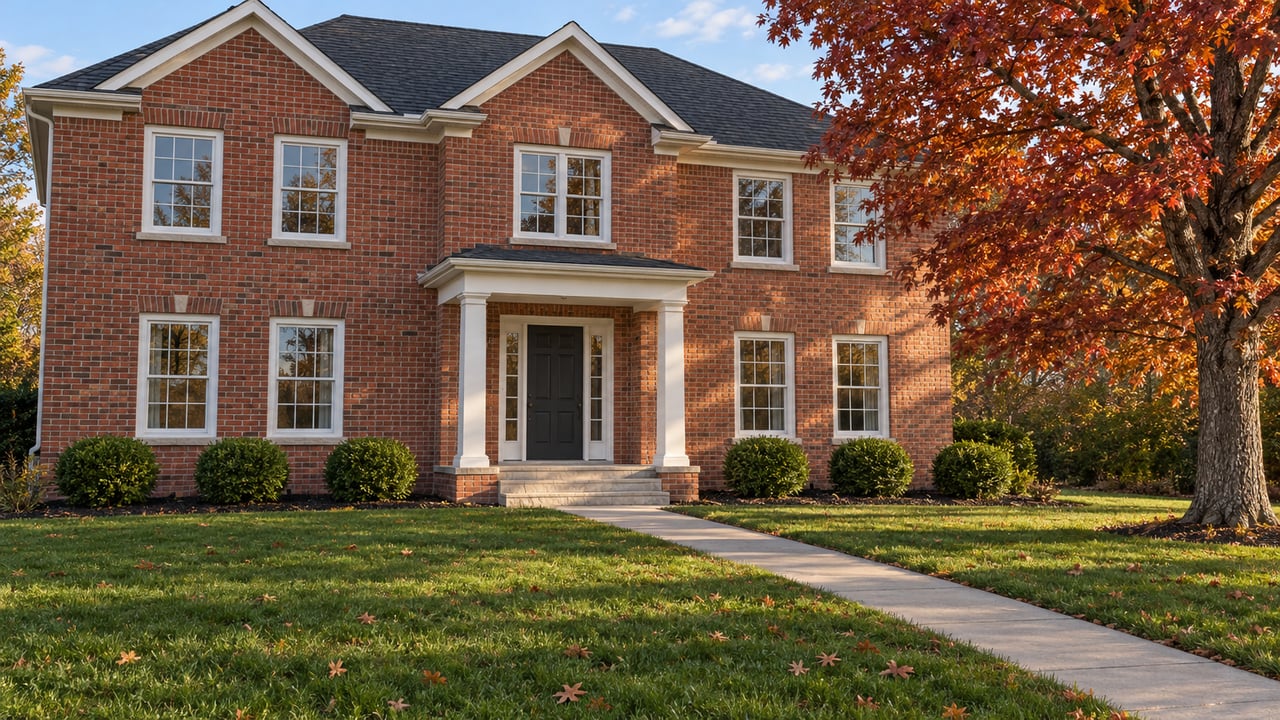
New Albany is known for larger single‑family homes, custom builds, and architect‑influenced design. You will see master‑planned neighborhoods, estate lots, and townhomes in designated villages. Many areas include HOAs that manage landscaping standards, amenities, and architectural guidelines.
Demand often runs high, and inventory can be tight in desirable pockets. Buyers who value consistent neighborhood aesthetics, planned open space, and community programming often place New Albany at the top of their list.
Blacklick homes
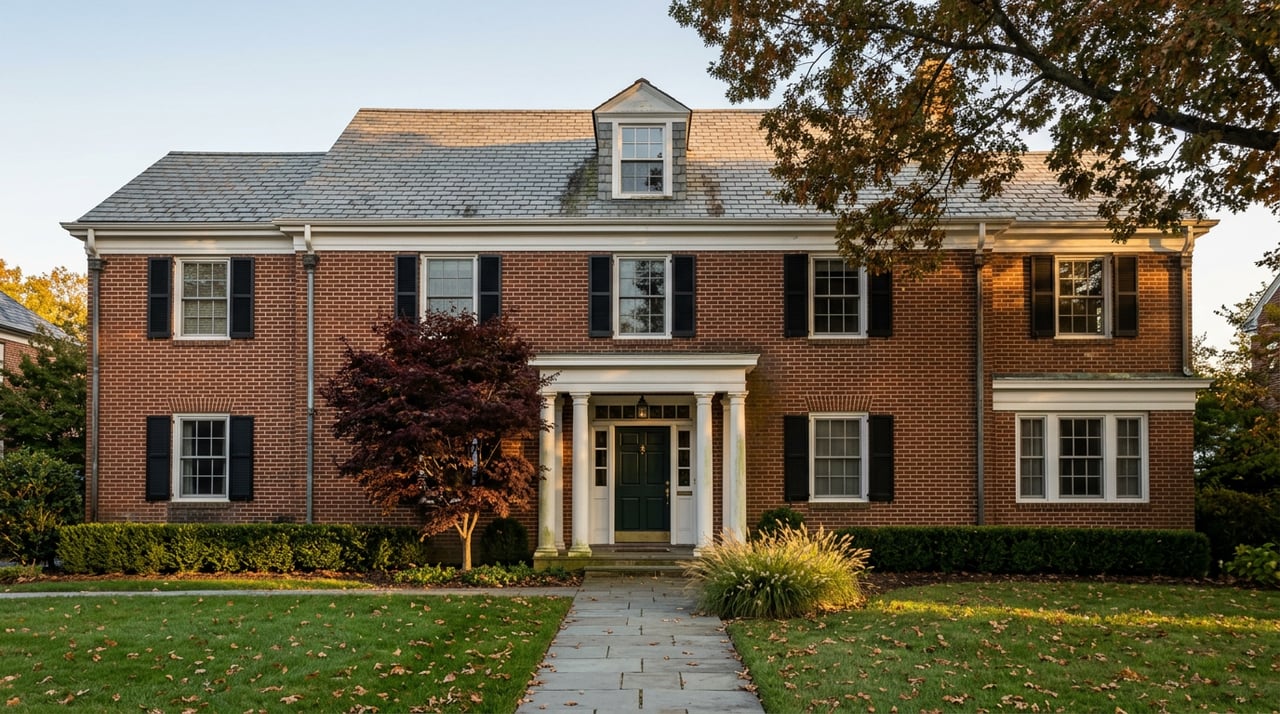
Blacklick offers a diverse housing mix across Jefferson Township. You will find older ranches and split‑levels, modest single‑family homes, condos and apartments, and newer subdivision builds. Lot sizes and finishes vary by neighborhood.
Because the housing stock is broad, pricing and resale value can be more sensitive to condition and micro‑location. Buyers often appreciate Blacklick’s more approachable entry points compared with nearby New Albany.
HOA and rules to review
In New Albany, many neighborhoods have active HOAs and architectural review. In Blacklick, HOA presence varies by subdivision. Either way, ask for the latest covenants, fees, and design controls before you write an offer.
Schools and childcare
New Albany school context
Much of New Albany is served by New Albany‑Plain Local Schools, widely cited for strong academics, extracurriculars, and ongoing facility investment. School performance data and program offerings can be reviewed through the Ohio Department of Education and the district’s resources. Always confirm the assigned schools for a specific property.
Blacklick school context
“Blacklick” is not a single school district. Depending on the address, homes may feed into different districts. This can change school assignments, calendars, and extracurricular access. Verify by property address using district boundary maps and official resources.
Practical tips
- Confirm school assignments with the district office for any address you are considering.
- Review Ohio Department of Education report cards for current data.
- Explore local preschool and childcare options if that is part of your plan.
Amenities and recreation
New Albany amenities
New Albany leans into a village‑center experience with curated public spaces, parks, and an extensive trail system. You will find community events, youth sports fields, and well‑maintained streetscapes. Shopping and dining tend to be boutique or neighborhood‑scale, with larger retail a short drive away.
Blacklick amenities
Blacklick prioritizes proximity and practicality. E. Broad Street and I‑270 put grocery, dining, services, and regional retail within quick reach. Blacklick Woods Metro Park is a standout for hiking, nature programs, golf, and playgrounds. Township‑level recreation options may also be available.
Commute and transportation
Both locations sit east or northeast of downtown Columbus. Driving times depend on destination and time of day. Blacklick benefits from direct access to E. Broad Street and I‑270, which can simplify trips across the metro. New Albany provides planned road connections to I‑270 and other arterials, though some downtown and west‑side commutes can be longer due to distance.
Public transit coverage through COTA is limited in outlying suburbs, so most residents rely on personal vehicles. John Glenn Columbus International Airport is accessible from both areas, with travel time depending on route and traffic.
Costs and local services
Property tax bills and utility arrangements can vary by exact address and taxing district. New Albany properties typically fall under city services. Blacklick properties rely on Jefferson Township and Franklin County, with potential differences in street maintenance, snow removal, and water or sewer providers. For any specific property, review the Franklin County Auditor records and ask for recent utility statements to compare monthly costs.
Development and future growth
New Albany follows a master plan that emphasizes high‑quality residential projects, open space, and coordinated commercial growth. You may also see ongoing office and tech campus activity that supports local employment.
In Blacklick and Jefferson Township, you will find a mix of infill housing and commercial activity along E. Broad Street, with variable redevelopment potential. Zoning is handled at the township and county level, and some areas could experience changes as regional plans evolve.
Why it matters: new construction, road improvements, or commercial nodes can affect commute patterns, neighborhood character, and long‑term value. Ask about upcoming projects during your due diligence.
Who each area fits
New Albany tends to suit
- Buyers who want higher‑end homes, larger lots, and consistent design standards.
- Households that value community programming, trails, and planned public spaces.
- Shoppers comfortable with HOA oversight and fees.
Blacklick tends to suit
- Buyers seeking more affordable entry points or varied housing options.
- People who prioritize quick access to major roads and regional retail.
- Those who prefer a mix of neighborhood styles and price points.
How to choose with confidence
Use this quick checklist to focus your search:
- Verify the exact municipal or township jurisdiction for each address.
- Confirm school assignments through the district office. Review ODE report cards.
- Ask your agent for current median sale prices, days on market, and inventory for your target neighborhoods.
- Review HOA covenants, fees, and architectural guidelines if applicable.
- Visit at different times of day to gauge traffic, noise, and community activity.
- Check crime maps and police reports for recent trends.
- Map out proximity to parks, trails, shopping, healthcare, and your daily commute.
- Ask about planned developments, road projects, or rezoning near your shortlist.
For sellers: Stand out in any market
Whether you own in New Albany or Blacklick, local comps are hyper‑specific. Pricing within your sub‑neighborhood matters. If you want to maximize results, focus on presentation, condition, and timing.
A full‑service approach can make the difference. Staging, make‑ready coordination, vendor management, and strong negotiation help your listing rise above similar homes. Ask for an expert valuation tied to neighborhood‑level data and recent sales that share your home’s size, condition, and school assignment.
Next steps
If you are still deciding between New Albany and Blacklick, start with your top three priorities: budget, school assignment certainty, and commute or amenity preferences. Tour a few neighborhoods in each area, then compare what your dollar buys today.
When you are ready, connect with a local advisor who can bring neighborhood‑level data, on‑the‑ground context, and hands‑on support from search to closing. Reach out to Connie Sadowski for tailored guidance and a plan that fits your timeline.
FAQs
What is the main difference in governance?
- New Albany is an incorporated city with municipal services, while Blacklick is an unincorporated area in Jefferson Township with township and county services.
How do school assignments work in Blacklick?
- Blacklick addresses can fall into different school districts, so always verify the assigned schools by property address with the appropriate district office.
Are HOAs common in New Albany?
- Many New Albany neighborhoods have HOAs and architectural review, so request covenants, rules, and fees before making an offer.
Which area is generally more affordable?
- Blacklick typically offers more approachable entry prices, while New Albany often sits above the Franklin County median due to home size, finishes, and planned amenities.
How do commutes compare to downtown Columbus?
- Blacklick has direct access to E. Broad Street and I‑270, while New Albany connects via planned arterials, and actual travel time varies by route and time of day.
Where can I find reliable data on taxes and services?
- Review the Franklin County Auditor for taxing districts and recent bills, and contact the city or township for utility and service providers tied to a specific address.