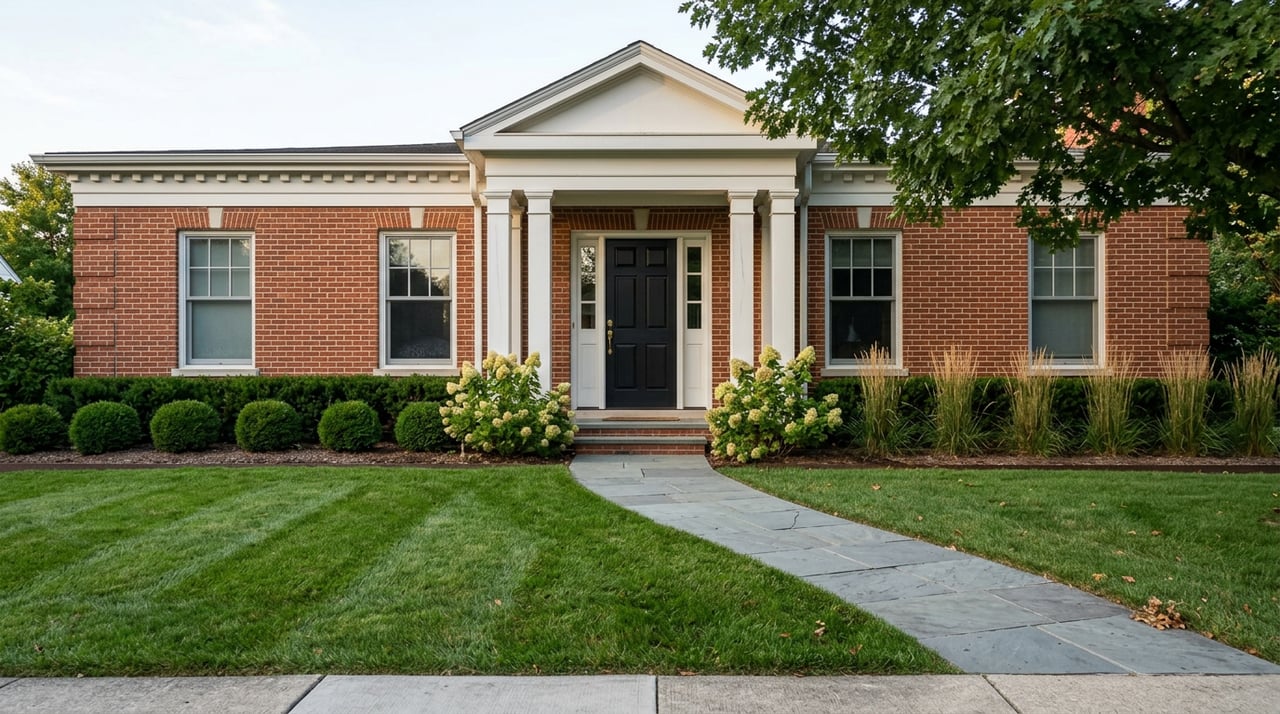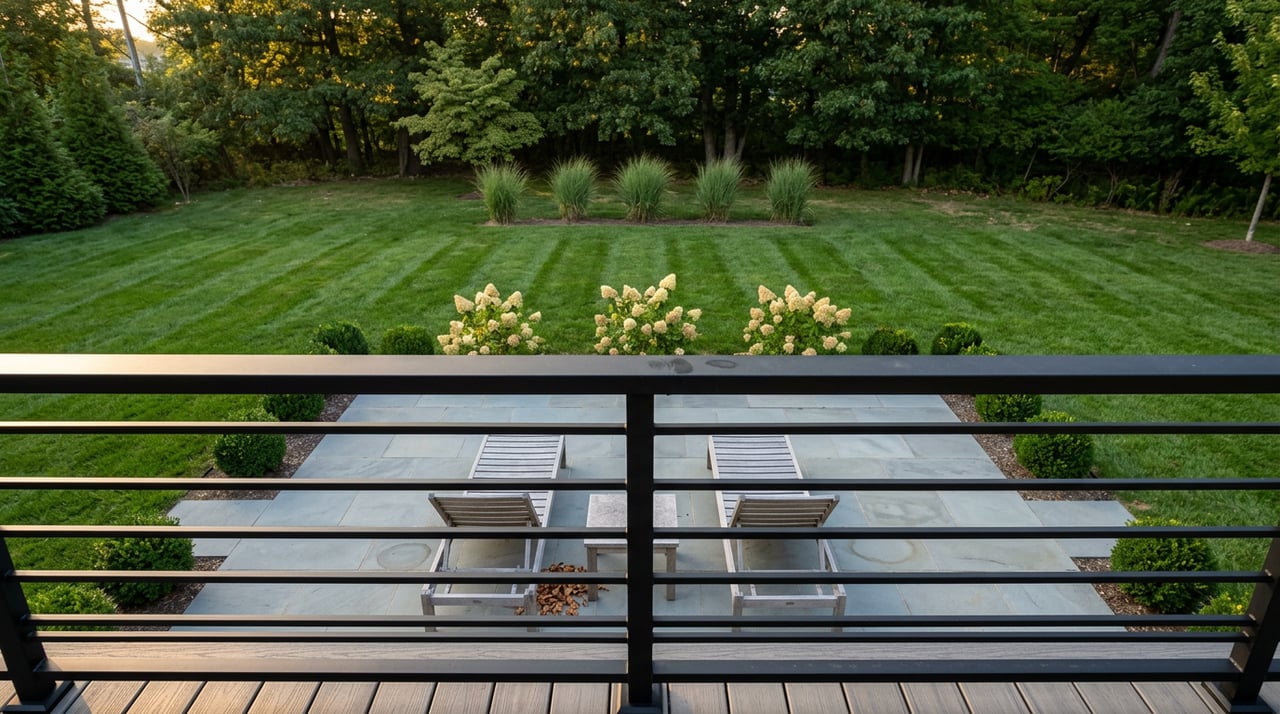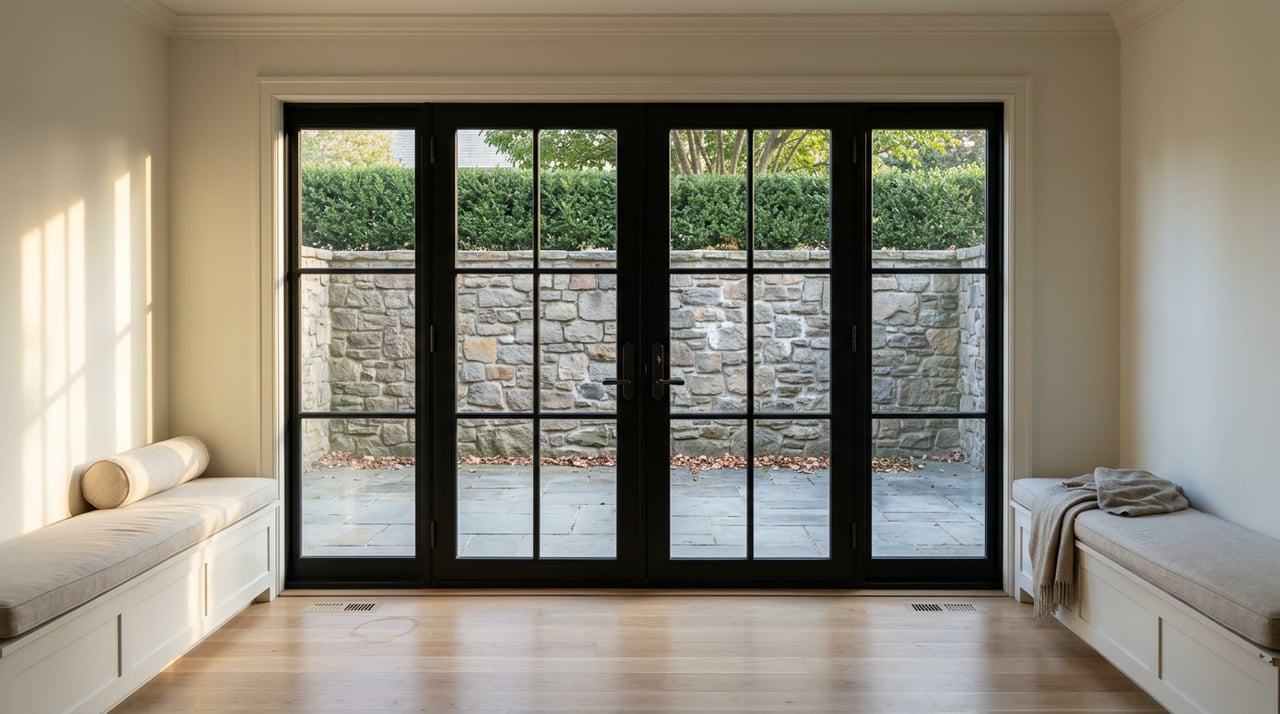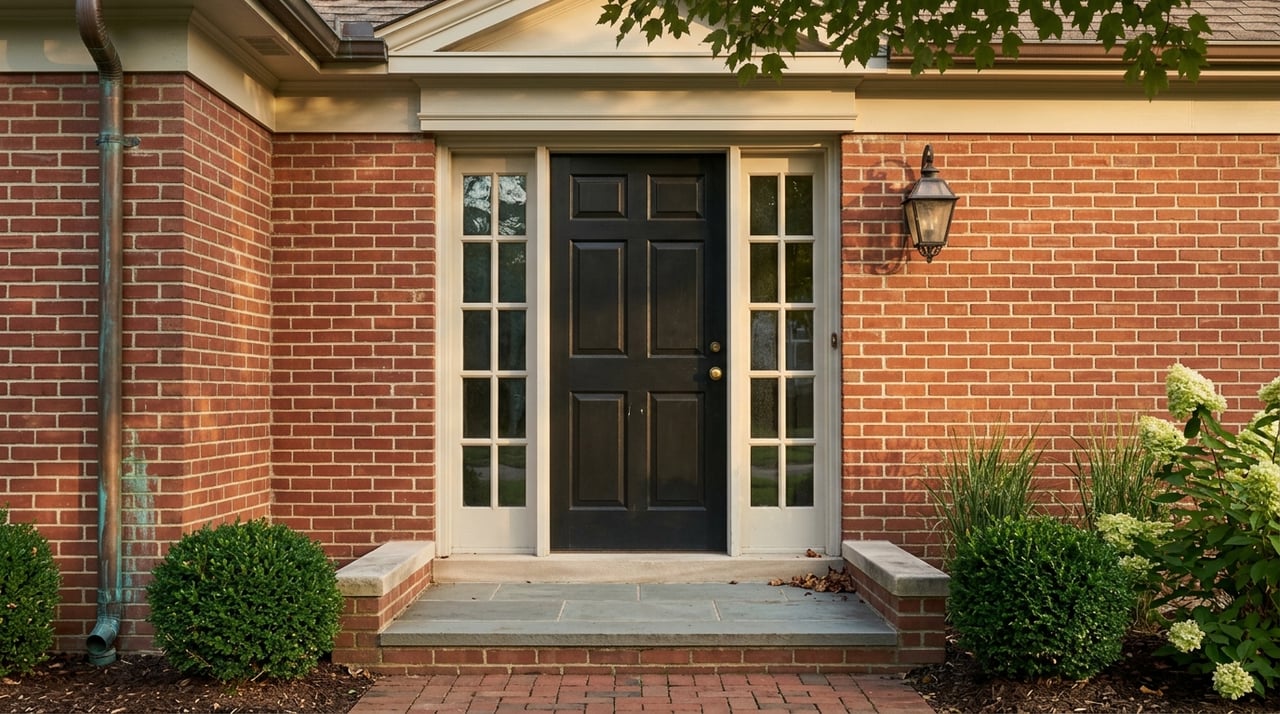
Wondering if that charming older home in Delaware, Ohio is a smart buy or a surprise waiting to happen? It is a fair question, especially when historic details, mature streetscapes, and central locations can be incredibly appealing, but older properties often come with more upkeep, more rules, and more questions. If you are thinking about buying an older or historic home in Delaware, this guide will help you understand what to look for, what to ask, and how to move forward with confidence. Let’s dive in.
Older vs. Historic in Delaware
One of the most important things to know is that older and historic are not the same thing. According to the National Park Service, a home can be old without being historically significant, and historic significance can be local, state, or national.
That difference matters when you are buying in Delaware. A property may have age and character but still function like a standard resale home when it comes to updates. On the other hand, a home inside the City of Delaware Downtown Historic District may come with added review requirements for exterior changes.
Why Delaware Draws Older-Home Buyers
Delaware continues to grow, which creates an interesting mix of housing options. The city profile reports population growth from 34,753 in 2010 to 41,302 in 2020, with estimates and projections reaching 47,098 in 2024 and 49,020 in 2025, alongside a reported median home value of $303,500 and ongoing single-family construction activity, according to the Delaware city profile.
For you as a buyer, that means Delaware offers both established areas with older homes and newer neighborhoods with more recent construction. If you are drawn to original architecture, a central setting, or a more established streetscape, an older home may feel like the right fit.
The city also describes downtown as a cultural center, and its historic district was created to help protect the downtown core. The city notes that downtown has been recognized by the American Planning Association as both a Great Place in Ohio and a Great Place in America, which helps explain why buyers are often drawn to homes near this area for their setting and character.
What to Expect From an Older Home
Older homes often offer details you may not find in newer construction. You might see original trim, distinct architecture, established lots, and locations closer to downtown or long-standing parts of the city.
At the same time, older homes usually require more due diligence. The Consumer Financial Protection Bureau points out that a home inspection helps identify strengths and weaknesses in the home’s structural and mechanical systems, and issues involving major systems can affect both negotiations and your decision to move forward.
Pay attention to major systems
When you tour an older property, ask about the age and condition of the roof, HVAC, electrical service, plumbing, and windows. These are not small details. They can shape your immediate repair budget and your longer-term ownership costs.
CFPB notes that major repairs, such as a new roof, can affect closing, and serious issues such as a cracked foundation can change whether a home still makes sense for you. That is why older-home purchases usually call for extra questions early, not after you are emotionally committed.
An appraisal is not an inspection
This point is easy to miss, especially for first-time buyers. An appraisal helps a lender assess value, but it is not the same as a home inspection.
The CFPB recommends scheduling your inspection early, attending if possible, and using the report to negotiate repairs or credits, or to walk away if the contract allows and the home is no longer a good fit. In an older home, that inspection window is especially important.
Lead Paint Is a Key Older-Home Issue
If a home was built before 1978, lead-based paint should be part of your due diligence. The EPA says the older the home, the more likely it contains lead-based paint, estimating that 87% of homes built before 1940 and 24% of homes built from 1960 to 1978 have some lead-based paint.
For most pre-1978 homes, buyers are entitled to lead-based paint disclosures. If you are planning updates after closing, the EPA recommends treating the home as though lead may be present unless testing or disclosures show otherwise, and using certified professionals for lead-related inspection or renovation work when needed.
This does not mean you should avoid older homes. It means you should go in informed. If you want to repaint, remove trim, replace windows, or open walls, lead-safe practices may need to be part of your renovation plan.
Delaware Permit Rules Matter
If you are buying an older home because you want to make changes, check the rules before you close. The City of Delaware Building Division says permit approval is required before work begins for new construction, alterations, improvements, and replacements.
That includes many projects buyers commonly assume are simple, such as structural, electrical, and mechanical work. The city also notes that fences, decks, sheds or garages, additions, and similar improvements are covered, while plumbing permits are handled by the Delaware County Health District rather than the city building office.
Historic district rules add another layer
If the home is inside the Downtown Historic District, exterior work may require more than a standard permit. The city says exterior alterations require Historic Preservation Commission approval and a Certificate of Appropriateness, in addition to standard building or zoning approvals.
The district also has special rules for exterior elements such as fixtures, design, paint colors, signs, and other visible features. Some smaller items, including certain paint, sign, or roof projects, may be approved administratively, while larger facade or renovation work generally goes before the commission.
For buyers, the takeaway is simple: a house that looks historic and a house that sits in a legally designated historic district can come with very different renovation rules.
Older Streets or Newer Subdivisions?
For many buyers in Delaware, the real decision is not just which house to buy. It is also which type of area fits your lifestyle and budget.
The city’s comprehensive plan shows several focus areas where change is expected, and it also identifies a neighborhood revitalization grant area with possible improvements such as streets, curbs, walkways, sanitary sewers, sidewalks, and lighting. That suggests some established parts of the city may need more near-term infrastructure attention and homeowner upkeep than newer areas.
That is not necessarily a negative. It simply means older neighborhoods can come with a different ownership experience. You may gain location, architecture, and a mature setting, but you may also take on more maintenance awareness and renovation planning.
By comparison, newer subdivisions may offer more predictability. The CFPB notes that planned subdivisions or organized communities may include HOA dues, and some communities take on shared maintenance responsibilities, which can change your monthly costs and day-to-day expectations.
A Smart Buyer Checklist
If you are serious about buying an older or historic home in Delaware, use this checklist to stay focused:
- Confirm whether the property is inside the Downtown Historic District.
- Ask when the roof, HVAC, electrical service, plumbing, and windows were last updated.
- Verify whether past improvements were properly permitted through the City of Delaware Building Division.
- If the home was built before 1978, request lead disclosures and plan for lead-safe renovation practices.
- Order a home inspection early enough to renegotiate or withdraw if serious issues are found.
- Remember that an appraisal is not the same as an inspection.
- If you plan to remodel after closing, contact the city first to understand permit and approval requirements.
How to Buy With Confidence
Buying an older home in Delaware can be incredibly rewarding when you know what you are getting into. The character, location, and architectural detail can be hard to replicate, but the smartest buyers balance emotion with careful due diligence.
That means asking better questions, reviewing disclosures closely, understanding local permit rules, and paying attention to whether a home is simply older or actually subject to historic district standards. When you do that, you can appreciate the charm without being surprised by the responsibilities.
If you are weighing older homes, historic properties, or newer options in Delaware, working with a local guide can make the process much less stressful. Connie Sadowski can help you compare options, spot potential issues early, and move forward with a clear plan that fits your goals.
FAQs
What is the difference between an older home and a historic home in Delaware, OH?
- An older home may simply be aged, while a historic home may have recognized significance or be located in a district with added rules for exterior changes.
What should buyers inspect first in an older Delaware, OH home?
- Buyers should pay close attention to the roof, foundation, HVAC, electrical service, plumbing, windows, and other major structural or mechanical systems.
Do historic homes in Delaware, OH need special approval for renovations?
- If a property is in the Downtown Historic District, exterior alterations may require Historic Preservation Commission approval and a Certificate of Appropriateness along with regular permits.
Do buyers of pre-1978 homes in Delaware, OH get lead paint disclosures?
- Yes, buyers of most pre-1978 homes are entitled to lead-based paint disclosures, and lead-safe renovation practices are important when painted surfaces may be disturbed.
Are older neighborhoods and newer subdivisions in Delaware, OH different to maintain?
- In many cases, yes. Older areas may involve more upkeep and infrastructure awareness, while newer subdivisions may offer more predictability but can include HOA dues or shared maintenance structures.